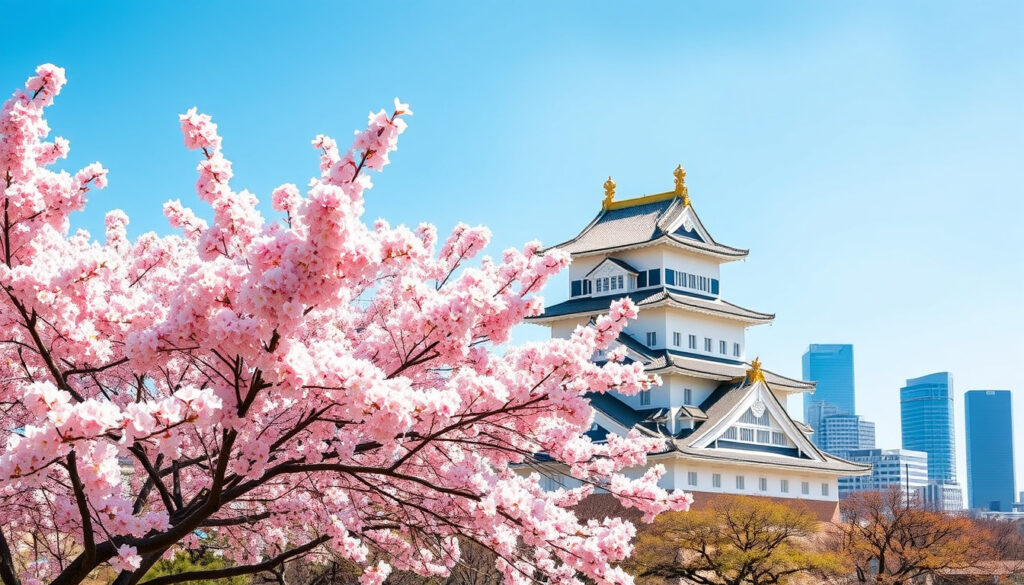
Osaka Things to Do: Attractions, Costs & Itinerary Tips
You’ve heard of Tokyo’s neon maze and Kyoto’s temples. But Osaka, Japan’s third-largest city with 2.7 million residents, has a completely different energy. It’s a city that wears its soul on its sleeve — one where food stalls and historic landmarks sit side by side, and where you can eat takoyaki at midnight without feeling out of place. Here’s your guide to experiencing Osaka beyond the obvious highlights.
Osaka population: 2.7 million (city proper) ·
Average hotel cost per night (budget): US$80–100 ·
Number of Michelin-starred restaurants in Osaka: 20+ ·
Osaka Castle construction year: 1583 ·
Peak tourist month (by visitor numbers): November
Quick snapshot
- Osaka is generally cheaper than Tokyo for accommodation and dining (Bon Traveler (travel guide))
- August is the hottest and most humid month (Japan Guide (official travel resource))
- Dotonbori is the must-visit entertainment district (Bon Traveler (travel guide))
- Exact daily budget for a “comfortable” trip varies widely by travel style (Marve Travel Guides (budget travel))
- Whether 3 days is enough depends on personal travel pace (Travel Pockets (first-timer guide))
- Shitennoji was founded in 593, making it Japan’s oldest temple – dating debated (Marve Travel Guides (budget travel)) (Marve Travel Guides (budget travel))
- Osaka Castle, a key historic landmark, was built in 1583 (Japan Guide (official travel resource))
- Peak visitor month is November — expect larger crowds and higher prices (Japan Guide (official travel resource))
Here is a quick reference table with key facts about Osaka.
| Label | Value |
|---|---|
| Osaka population (city proper) | 2.7 million |
| Osaka population (metro) | 19.3 million |
| Year-round average temperature | 16.5°C / 62°F |
| Most visited attraction annual visitors | Osaka Castle – approx. 3 million |
| Number of restaurants in Osaka | Over 70,000 |
| Public transport cost (single subway ride) | ¥180–350 (US$1.20–2.40) |
What should you not miss in Osaka?
- Dotonbori – the beating heart of food, shopping, and nightlife (Bon Traveler (travel guide))
- Osaka Castle – a historic landmark and museum (Japan Guide (official travel resource))
- Kuromon Ichiba Market – one of Osaka’s most famous food markets (Bon Traveler (travel guide))
- Shinsekai and Tsutenkaku Tower – a retro-futuristic district (Travel Pockets (first-timer guide))
- Osaka Aquarium Kaiyukan – one of the largest in the world (Japan Guide (official travel resource))
What is Osaka best known for?
Osaka is renowned for its food scene (especially street food like takoyaki and okonomiyaki), its welcoming locals, and its vibrant nightlife around Dotonbori. The city also has a long history as a merchant hub, which gives it a distinct down-to-earth character compared to Kyoto’s formality. Bon Traveler (travel guide) sums it up: “Dotonbori is the beating heart of food, shopping, and nightlife.”
For a quieter side, explore Hozenji Yokocho, an alleyway with an Edo-period atmosphere (Travel Pockets (first-timer guide)). And don’t miss Namba Yasaka Jinja, a Shinto shrine with a massive lion-head-shaped stage (Bon Traveler (travel guide)).
Dotonbori can feel overwhelming at peak hours. Go after 10 p.m. for a slightly calmer but still electric atmosphere — the neon signs and canal reflections are just as impressive without the crowd crush.
The pattern: Osaka’s best experiences balance electric districts with pockets of calm — the city rewards those who wander off the main strip.
Is Osaka cheaper than Tokyo?
- Osaka accommodation costs are roughly 20–30% lower than Tokyo, according to travel experts (Marve Travel Guides (budget travel))
- Dining and local transport in Osaka are generally cheaper (Bon Traveler (travel guide))
- A budget traveler in Osaka spends about ¥8,000–10,000 per day (US$55–70) (Marve Travel Guides (budget travel))
Is $1000 enough for 1 week in Japan?
For a week in Osaka, $1000 (roughly ¥150,000) is feasible with strict budgeting. The daily budget figure above suggests ¥56,000–70,000 for seven days, leaving room for a day trip to Nara or Kyoto. But in Tokyo, the same $1000 would be tight — especially for accommodation. Marve Travel Guides (budget travel) notes that Osaka offers better value for money overall.
For a budget-conscious traveler, choosing Osaka over Tokyo can save 20–30% on accommodation alone — that’s enough for a few extra days of sightseeing or a nicer hotel.
The trade-off: Cheaper accommodation often means smaller rooms or location farther from central districts. Balance savings with convenience.
Is 3 days enough in Osaka?
- 3 days allows coverage of major sights: Dotonbori, Osaka Castle, Kuromon Market, Shinsekai (Travel Pockets (first-timer guide))
- A day trip to Nara or Kyoto is feasible on the second or third day (Japan Guide (official travel resource))
- Many travelers find 3 days sufficient for a focused Osaka visit (Bon Traveler (travel guide))
What to do in Osaka for a day?
If you only have one day: start at Osaka Castle in the morning, head to Kuromon Market for lunch, walk through Dotonbori in the afternoon, and end at Shinsekai for evening street food. Travel Pockets (first-timer guide) calls this the “classic Osaka day.”
For first-time visitors with only a day, you can still hit the iconic spots — but expect to move quickly. Three days gives you breathing room to explore neighborhoods like Nakazakicho or America-mura at leisure.
The pattern: Three days is the sweet spot for a first visit. With one day, you’ll get a taste but miss the quieter corners that give Osaka its real character.
Which month to avoid Osaka?
- August is extremely hot and humid (avg 33°C / 91°F) with frequent typhoons (Japan Guide (official travel resource))
- Golden Week (late April–early May) sees massive crowds and higher prices (Japan Guide (official travel resource))
- July and early September also have high heat and rain (Japan Guide (official travel resource))
Japan Guide (official travel resource) recommends October–November and March–April for comfortable weather and fewer crowds. November is actually the peak tourist month by volume, so book early if you go then.
November draws the most visitors, yet it offers the best weather. If you go then, you’ll trade elbow room for perfect temperatures — a classic travel dilemma.
What this means: If you can, target late October or early December for a balance of decent weather and thinner crowds.
What is the 5 minute rule in Japan?
- The 5-minute rule refers to punctuality: arriving exactly on time for meetings (Japan Guide (official travel resource))
- The 1-3 rule means giving one compliment for every three criticisms in feedback (Bon Traveler (travel guide))
- Public displays of affection are generally avoided; kissing in public is considered impolite (Travel Pockets (first-timer guide))
Can I kiss my girlfriend in public in Japan?
In Japan, public displays of affection are minimal. Holding hands is fine, but kissing in public is considered impolite. Travel Pockets (first-timer guide) advises saving romantic gestures for private settings.
What is the 1 3 rule in Japan?
The 1-3 rule is a feedback guideline: for every critique you offer, you should give three compliments. It’s a cultural approach to maintain harmony. Bon Traveler (travel guide) mentions this as part of Japanese business etiquette.
The implication: These cultural rules reflect a society that values respect and indirect communication. As a visitor, being punctual and reserved in public will be appreciated.
Osaka vs Tokyo: cost comparison
The table below compares costs between Osaka and Tokyo.
| Category | Osaka | Tokyo |
|---|---|---|
| Budget hotel (per night) | ¥6,000–9,000 (US$40–60) | ¥9,000–14,000 (US$60–95) |
| Mid-range restaurant meal | ¥1,000–1,500 | ¥1,500–2,500 |
| Subway single ride | ¥180–350 | ¥200–400 |
| Daily budget (budget traveler) | ¥8,000–10,000 | ¥10,000–14,000 |
Figures from Marve Travel Guides (budget travel) and cross-referenced with Japan Guide (official travel resource).
The pattern: Osaka is consistently 20–30% cheaper across accommodation, dining, and transport — making it the smarter choice for budget travelers.
Confirmed facts & what remains unclear
Confirmed facts
- Osaka is generally cheaper than Tokyo for accommodation and dining (Bon Traveler (travel guide))
- August is the hottest and most humid month (Japan Guide (official travel resource))
- Dotonbori is a must-visit entertainment district (Bon Traveler (travel guide))
What’s unclear
- Exact daily budget for a “comfortable” trip varies widely by travel style (Marve Travel Guides (budget travel))
- Whether 3 days is enough depends on personal travel pace (Travel Pockets (first-timer guide))
- Shitennoji’s founding date of 593 is debated (Marve Travel Guides (budget travel))
What this means: While some details depend on personal style, the confirmed cost and timing facts are reliable for planning.
What travelers are saying
“Dotonbori isn’t overrated — it’s the heartbeat of Osaka. Yes it’s crowded, but that’s precisely the point. The energy, the food, the neon — it’s a sensory overload in the best way.”
“For first-time visitors, the best time to experience Osaka is October or November. The weather is comfortable and the autumn colors in Osaka Castle Park are spectacular.”
— Japan Guide (official travel resource)
Summary: Osaka delivers a more laid-back, wallet-friendly alternative to Tokyo without sacrificing culture or food. For the budget-conscious traveler, choosing Osaka over Tokyo can save you 20–30% on accommodation alone, freeing up cash for extra experiences like a day trip to Nara or a night at the Cup Noodles Museum. If you’re a first-time visitor with only three days, you’ll leave satisfied — but you’ll also start planning your return to explore the retro alleyways and hidden teahouses you didn’t have time for.
Travelers seeking a romantic low-budget itinerary will find Osakas cherry blossom and budget plan particularly useful for exploring Osaka Castle’s cherry blossoms and Dotonbori.
Frequently asked questions
What are the best free things to do in Osaka?
Explore the grounds of Osaka Castle (free), walk through Dotonbori at night, visit Shitennoji temple grounds (free entry; the Buddhist garden costs ¥500), and hop across the bridges in Namba. For panoramic views, the top of the Umeda Sky Building’s floating garden observatory costs ¥1,500 but the plaza below is free.
What unusual activities are there in Osaka?
Try making your own instant noodles at the Cup Noodles Museum Ikeda (advance booking required), explore the retro arcade games in Shinsekai’s old-school game centers, or visit the Namba Yasaka Jinja’s giant lion-head shrine — a truly unique architectural sight.
What hidden gems should I not miss in Osaka?
Nakazakicho is a charming retro neighborhood with vintage shops and cafes. Hozenji Yokocho is a cobblestone alley lined with traditional eateries. And America-mura (Ame-mura) offers a fashion-forward, youth-driven vibe with Western and Japanese influences.
What are the best family-friendly activities in Osaka?
Universal Studios Japan is a top choice for families. Osaka Aquarium Kaiyukan is also excellent, with massive tanks showcasing Pacific marine life. The Kids Plaza Osaka is a hands-on science museum that younger children love.
What are romantic things to do in Osaka for couples?
A nighttime stroll along Dotonbori’s canal, a matcha experience at wad (a wabi-sabi teahouse), and a ride on the Tempozan Ferris Wheel offer quiet moments together. For a more intimate dinner, reserve a seat at a tiny yakitori bar in Hozenji Yokocho.
What do Reddit users recommend for Osaka?
Redditors often suggest exploring beyond the tourist hub — neighborhoods like Nakazakicho and Shinsekai get high marks. They also recommend the Osaka Amazing Pass for discounts on attractions and unlimited subway rides.
What are the top 10 things to do in Osaka?
The consensus top picks: Dotonbori, Osaka Castle, Kuromon Market, Shinsekai and Tsutenkaku Tower, Osaka Aquarium Kaiyukan, Universal Studios Japan, Shitennoji Temple, Namba Parks, America-mura, and the Cup Noodles Museum. Most can be covered in two to three days.
More related posts
 Love Language Test Free: Instant Results No Signup
 Adam Road Presbyterian Church: Address, Services & Tengah Campus
 UOB 60,000 Miles Offer: Visa Infinite Metal Review
 Hardware Shop Near Me – Quick Finder Guide
 Nintendo Switch 2 Price: US, EU, UK & Ireland (2026 Hike)
 How to Make Overnight Oats: Ratio, Best Liquids & What to Avoid
 Lymphatic Drainage Massage Singapore: Prices & Best Spots
 General Election 2025 Results – PAP Wins 87 Seats, WP Holds 10