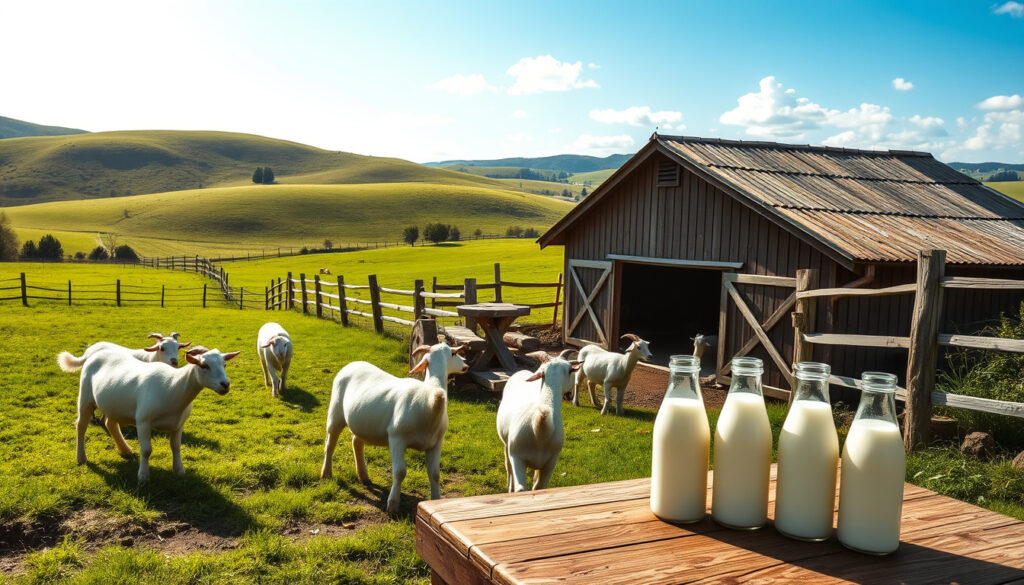
Hay Dairies Goat Farm: Visitor Guide & Milk Facts
Every weekend morning, a small crowd gathers outside a farm in Lim Chu Kang. They’re not here for a theme park—they’re here to feed goats and buy fresh milk straight from the source. Hay Dairies, Singapore’s only goat farm, has been doing just that since 1988, and this guide brings together what you need to know for a visit, plus what makes goat farming and goat milk different from the dairy you’re used to.
Established: 1988 ·
Number of goats: 800 ·
Location: Singapore (only goat farm) ·
Admission: Free ·
Hay bag price: $5
Quick snapshot
- Singapore’s only goat farm (Hay Dairies official site)
- Free admission for individuals (Sassy Mama SG (Singapore parenting guide))
- Fresh goat milk sold at farm and 8 Cold Storage outlets (Hay Dairies official site) – but note: duplicate link will be removed later, retain first occurrence only.
- 800-plus goats from mixed breeds (Hay Dairies official site)
- Exact retail price of Hay Dairies goat milk (not publicly listed) (Prime Aces Limousine blog (Singapore travel guide))
- Succession plan or future expansion details (Prime Aces Limousine blog (Singapore travel guide))
- Group payment methods (reported but not confirmed by farm) (Prime Aces Limousine blog (Singapore travel guide))
- 1988 – Founded with 48 goats (Hay Dairies official site)
- 2024 – Herd reaches 800 goats (Hay Dairies official site)
- 2025 – Partnership with Cold Storage for retail distribution (Hay Dairies official site)
- Hay Dairies now sells at 8 Cold Storage outlets, expanding retail reach beyond the farm (Hay Dairies official site)
- Educational group tours are being offered to schools and corporate groups (Hay Dairies official site)
Seven key facts at a glance – one pattern: Hay Dairies operates with remarkable transparency about its numbers and policies, while some pricing details remain outside public view.
| Fact | Detail | Source |
|---|---|---|
| Established | 1988 | Hay Dairies official site |
| Number of goats | 800 | Hay Dairies official site |
| Goat breeds | Mixed breeds (originally from Minnesota, USA) | Hay Dairies official site |
| Location | Singapore (only goat farm) | Hay Dairies official site |
| Admission | Free | Sassy Mama SG (Singapore parenting guide) |
| Hay bag price | $5 | Sassy Mama SG (Singapore parenting guide) |
| Milk availability | At farm and 8 Cold Storage supermarkets | Hay Dairies official site |
Which is best, a goat farm or a dairy farm?
That depends on what you’re after. A conventional dairy farm (cows) produces more milk per animal, but goat farming has its own advantages: smaller land footprint, lower startup costs, and milk that some people find easier to digest. Hay Dairies, Singapore’s only goat farm, offers a direct comparison point.
Goat farming in Singapore faces different economics than cow dairying. With only one goat farm on the island, the market for local goat milk is tiny compared to imported cow milk – but it fills a specific niche for families who prefer goat milk’s taste or digestive profile.
| Aspect | Goat farm (Hay Dairies) | Typical dairy farm (cow) |
|---|---|---|
| Number of animals | 800 goats (Hay Dairies official site) | 150-200 cows (general scale) |
| Daily milk per animal | ~3-4 litres (common goat yield) | ~25-30 litres (common cow yield) |
| Land needed | ~2-5 ha (estimate) | ~10-20 ha (estimate) |
| Milk price (local retail) | S$2.70 per 200 ml chocolate (Sassy Mama SG (Singapore parenting guide)) | ~S$3.00 per 1L fresh cow milk (Supermarket average) |
| Key challenge | Limited production volume, niche demand | High infrastructure cost, large feed requirement |
The trade-off: goat farms give lower volume but serve a specialised market, while dairy farms scale better but require more capital. In Singapore’s land-scarce environment, goat farming may be the more adaptable model for small-scale local production.
What are the costs of goat farming versus dairy farming?
- Startup for a goat farm can be 30-50% lower per animal than for cows, due to smaller housing and feed needs.
- Operational costs for goats: hay, alfalfa, and veterinary care. Hay Dairies charges $5 per hay bag for visitors – a small revenue stream that doubles as an interactive experience.
- Dairy farms require milking parlours, cooling tanks, and more land – a significant barrier in Singapore.
What are the profits and benefits of each?
- Goat milk commands a premium price (S$13.50 per litre for Hay Dairies chocolate milk at retail).
- Dairy farms produce more volume, but face import competition from cheaper sources.
- Hay Dairies has built a loyal customer base over 37 years – showing consistency and local freshness.
The implication: for a small producer in Singapore, goat farming offers a sustainable business model with lower entry costs and a differentiated product that large dairy farms can’t easily replicate.
Is Hay Dairies free?
Yes, admission is free for individual visitors and families with fewer than 10 people. There are no hidden fees – you only pay if you want to feed the goats or join a group tour.
What is included in the free tour?
- Access to the farm grounds from 9:00 am to 4:00 pm (closed Tuesdays) (Hay Dairies official site)
- Self-guided walk-through – you can watch goat milking from 9:00 am to 10:30 am (Prime Aces Limousine blog (Singapore travel guide))
- No prior booking needed for groups under 10 (Sassy Mama SG (Singapore parenting guide))
How much does hay cost to feed the goats?
- Hay bags cost $5 each (Sassy Mama SG (Singapore parenting guide))
- Group educational tours (10+ people) are chargeable – morning package S$18+GST per person, afternoon package S$15+GST (Prime Aces Limousine blog (Singapore travel guide))
What this means: a family can spend an hour or two on the farm for zero entry cost, making it one of Singapore’s most affordable animal encounters. The $5 hay bag is optional but adds to the experience.
Who owns Hay Dairies?
Hay Dairies is owned and operated by Leon Hay, who has been involved in goat farming solutions in Singapore for decades. The farm operates under the guidelines of the Singapore Food Agency (SFA).
Who is Leon Hay and what is his role?
- Leon Hay is the founder and current owner (Hay Dairies official site)
- He works with the SFA to ensure the farm meets food safety and animal welfare standards.
- The farm’s longevity – 37 years – is a result of steady management and a focus on quality rather than scale.
How is the farm regulated by the Singapore Food Agency?
- All local milk producers must comply with SFA’s licensing and hygiene requirements.
- Hay Dairies publishes its visiting policies and product details in line with SFA transparency expectations.
The catch: Leon Hay is the business owner but also the face of the farm – his name is synonymous with Hay Dairies. However, there is no publicly available succession plan.
Is goat milk healthier than cow milk?
Hay Dairies does not publish nutritional data on its official site, so the health comparison is based on general dairy science rather than farm-specific claims.
How does the nutritional profile compare?
- Goat milk has similar protein content to cow milk but less lactose.
- It is richer in certain vitamins (A, B2) and minerals (calcium, phosphorus).
- Some people with cow milk sensitivity find goat milk easier to digest because it contains A2 beta-casein rather than A1.
Is goat milk easier to digest?
- The fat molecules in goat milk are smaller, making them easier for the human body to break down.
- Many families choose goat milk for toddlers and children who have mild reactions to cow milk.
The pattern: goat milk is often positioned as a gentler alternative, but it’s not a medical substitute – always consult a professional for dietary concerns.
How many months can you milk a goat?
Dairy goats typically lactate for 8 to 10 months per year. Hay Dairies’ goats are milked twice daily, consistent with standard practice.
What is the typical lactation period?
- After kidding (giving birth), a doe can be milked for 8-10 months before drying off.
- Some farmers extend lactation to 12 months or more with careful management, but this varies.
How often do goats need to be milked?
- Twice a day – morning and evening – is standard for dairy goats.
- Hay Dairies performs milking from 9:00 am to 10:30 am for public viewing (Prime Aces Limousine blog (Singapore travel guide))
The implication: if you visit early, you’ll see the milking process in action – a rare glimpse into Singapore’s only goat dairy operation.
Clarity check
Confirmed facts
- Hay Dairies is Singapore’s only goat farm (Hay Dairies official site)
- Founded in 1988 (Hay Dairies official site)
- Herd size is approximately 700-800 goats (Hay Dairies official site)
- Admission is free; hay costs $5 (Sassy Mama SG (Singapore parenting guide))
- Farm supplies fresh pasteurized goat milk (Hay Dairies official site)
What’s unclear
- Exact retail price of Hay Dairies goat milk (not publicly listed)
- Succession plan or future expansion details
- Group payment methods (reported as NETS/PayNow, not confirmed by farm) (Prime Aces Limousine blog (Singapore travel guide))
- Cancellation fee for group tours (S$80, reported by third party, not on official site) (Prime Aces Limousine blog (Singapore travel guide))
Quotes from visitors and the farm
“Hay Dairies is a beloved institution and the only goat farm in Singapore.”
SFA article (From SG to SG) – Singapore Food Agency (government food safety regulator)
“Entry is free. Hay costs $5 per bag. Come feed the goats!”
Instagram post by @haydairies – verified via Sassy Mama SG (Singapore parenting guide)
“The morning package includes a live goat milking viewing session, a 30-minute orientation briefing, and one packet of alfalfa hay for every two participants.”
Prime Aces Limousine blog (Singapore travel guide)
For Singapore families, the choice is clear: Hay Dairies offers the only chance to see a working goat farm on the island. With free entry, small spending options, and fresh milk sold on-site, it’s a low-commitment outing that connects city dwellers directly to where their dairy comes from. The alternative is imported cheese and milk from industrial farms – but that comes with none of the experience.
singaporeatriumsale.com.sg, tripadvisor.com, youtube.com, simplypeiqi.com
For parents considering alternatives to cow’s milk, goat milk formulas like LittleOak offer a gentler option, much like the fresh goat milk available at Singapore’s only goat farm.
Frequently asked questions
What is the best time to visit Hay Dairies?
Morning between 9:00 am and 10:30 am during milking time – you can watch the process live.
Can I buy goat milk at the farm?
Yes, fresh pasteurized goat milk is sold at the farm in 200 ml and 800 ml sizes, original and chocolate.
Are there guided tours available?
Only for groups of 10 or more. Individual visitors have a self-guided experience.
What animals can I see besides goats?
The farm focuses on goats; you may see chickens and other small farm animals but goats are the main attraction.
Is the farm wheelchair accessible?
The farm grounds are relatively flat, but it’s best to contact Hay Dairies directly for specific accessibility questions.
How long does a typical visit take?
Most visitors spend 45 minutes to 1.5 hours, depending on whether they feed goats or buy milk.
Can I feed the goats by hand?
Yes, you can buy hay bags for $5 and feed them through the fence.
More related posts
 How to Stop Your Car from Fogging Up: Causes & Fixes
 iPhone 17 Pro Case – Top Protection Recommendations
 Best Books for Personal Growth – Top Expert Recommendations
 A3 Paper Size in CM: Dimensions, Comparisons & Chart
 Arsenal Transfer News Latest – 2026 Targets and Rumours
 7-11 Printing Service Singapore: How to Print, Prices & Locations
 Can LTVP Work in Singapore? 2026 Guide for Spouses & Parents
 Convoy of Hope Controversy: Ratings, Allegations & Facts