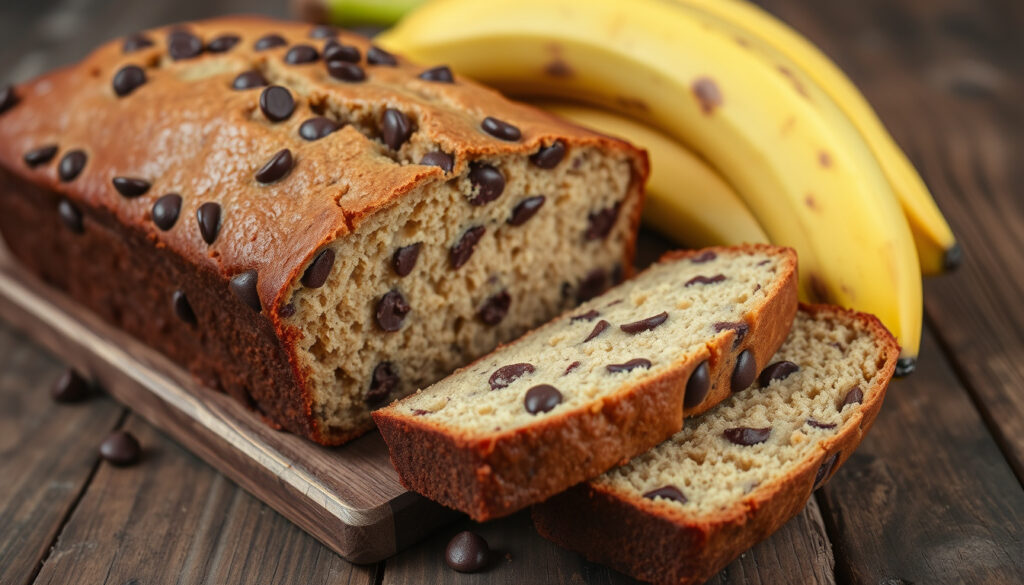
Recipe for Banana Bread – Moist Vegan Chocolate Chip Loaf
Banana bread remains one of the most beloved baked goods in home kitchens worldwide. This comprehensive guide walks through every step of creating a moist, flavorful loaf—from selecting the right bananas to mastering the art of perfect texture. Whether you’re a seasoned baker or just starting out, these techniques will help you achieve bakery-quality results in your own oven.
The appeal of banana bread extends beyond its delicious taste. It offers an excellent way to reduce food waste by using overripe bananas that might otherwise be discarded. Combined with simple pantry staples, this recipe delivers impressive results with minimal effort, making it a staple for busy households and baking enthusiasts alike.
How Do You Make Banana Bread?
Creating a moist, tender banana bread requires just one bowl and a handful of ingredients. The process involves mashing ripe bananas, combining wet and dry ingredients separately, then merging them with a gentle touch to avoid developing dense, tough texture. Chocolate chips fold in last, creating pockets of sweetness throughout each slice.
This straightforward recipe comes together in approximately 70 minutes, including prep and bake time. It produces one standard loaf serving 12 generous slices.
Prep Time
10 mins
Bake Time
60 mins
Servings
12 slices
Difficulty
Easy
Key insights for perfect banana bread:
- Spotty, overripe bananas provide the best natural sweetness and moisture
- Mixing wet and dry ingredients separately prevents overdevelopment of gluten
- Fold chocolate chips gently to distribute them evenly without breaking the batter
- Test doneness with a toothpick—the melted chocolate is acceptable, but wet batter indicates underbaking
- Cool the loaf in the pan for 10-15 minutes before transferring to a wire rack
- Using oil rather than applesauce produces a lighter, more tender crumb
- Almond meal or rolled oats add pleasant texture when included
| Ingredient | Measurement | Notes |
|---|---|---|
| Ripe bananas | 3 medium-large (1⅓ cups mashed) | Spottier bananas work best |
| Coconut oil or plant-based oil | ¼ cup melted | Use oil for lighter texture |
| Maple syrup, brown sugar, or coconut sugar | ¼ to ½ cup | Adjust based on banana sweetness |
| Flax egg | 1 tablespoon ground flax + 3 tablespoons water | Let sit 15 minutes before using |
| Vanilla extract | 1 teaspoon | Optional but recommended |
| Flour | 1½ cups | All-purpose, oat, or whole wheat |
| Baking powder | 1 teaspoon | Ensure freshness for proper rise |
| Baking soda | ½ to 1 teaspoon | Use less for denser texture |
| Salt | ½ teaspoon | Balances sweetness |
| Cinnamon | 1 teaspoon | Optional for warm flavor |
| Vegan chocolate chips | ¾ cup | Or dairy-free chocolate chunks |
Step-by-Step Instructions
Begin by preheating your oven to 350°F (175°C). Line an 8×5 or 9×5 inch loaf pan with parchment paper or lightly grease the sides to prevent sticking.
Mash your bananas thoroughly in a large mixing bowl. Work until you achieve a smooth consistency with no large chunks remaining. The more completely you mash, the better the texture of your final loaf.
Whisk the flax egg into the mashed bananas along with melted coconut oil, your chosen sweetener, and vanilla extract. Blend until all wet ingredients are thoroughly incorporated. If desired, add 2-3 tablespoons of dairy-free milk for extra moisture.
In a separate bowl, combine flour, baking powder, baking soda, salt, and cinnamon. Pour the dry mixture into the wet ingredients and stir gently until just combined. The batter should still show traces of flour—stop mixing at this point to avoid developing a tough, dense crumb.
Fold in the chocolate chips with a spatula, using gentle sweeping motions. Pour the batter into your prepared pan and smooth the top evenly. Bake for 50-70 minutes until a toothpick inserted into the center emerges with only melted chocolate, not wet batter.
Allow the loaf to cool in the pan for 10-15 minutes before transferring to a wire rack. Complete cooling ensures the interior sets properly and slices cleanly.
How Ripe Should Bananas Be for Banana Bread?
The ripeness of your bananas determines the success of your banana bread more than any other factor. Spottier bananas contain higher concentrations of natural sugars and have broken down cellular structure, which translates directly into better flavor and moisture in your baked good.
Bananas with heavy brown spotting or entirely brown peels work best for banana bread. These overripe specimens require significantly less added sweetener because their starches have converted to sugars during the ripening process. The softer the banana flesh, the easier it mashes and incorporates into the batter.
Yellow bananas with green tips are underripe. Yellow bananas with brown speckles offer moderate sweetness. Bananas with extensive brown spots deliver peak flavor. Fully brown bananas provide maximum sweetness but may require adjusting liquid ratios.
Can You Use Frozen Bananas in Banana Bread?
Frozen bananas work remarkably well for banana bread, making them an excellent option for preserving fruit that ripens faster than you can consume it. The freezing process actually breaks down cellular walls, resulting in bananas that mash exceptionally smoothly.
Before using frozen bananas, thaw them completely at room temperature or in the refrigerator. Once thawed, drain any excess liquid that accumulates—the freezing process releases water from the banana cells. This step prevents your batter from becoming too wet, which would lead to a dense or gummy texture in the finished bread.
Expect slightly different moisture content compared to fresh ripe bananas, particularly if your frozen bananas developed ice crystals or were stored for an extended period. You may need to adjust baking time slightly to account for this variation.
Why Is My Banana Bread Dry and How to Fix It?
Dry banana bread typically stems from one of three culprits: overbaking, overmixing the batter, or using bananas that weren’t ripe enough. Understanding these causes helps you prevent them in future batches.
Preventing Dry Texture
Begin checking your loaf at the 50-minute mark with a toothpick test. Insert it into the center and pull it out—if only melted chocolate appears, the bread is done. Wet batter clinging to the toothpick means continue baking, but watch carefully to avoid drying out the edges.
If your oven runs hot or the top browns before the center cooks through, tent the loaf loosely with aluminum foil during the final 10-15 minutes. This shields the surface while allowing the interior to finish baking without burning.
Overmixing develops gluten strands that create a tight, dry crumb. Using insufficiently ripe bananas provides less natural moisture. Substituting applesauce for oil results in denser texture. Baking even 5-10 minutes past done significantly impacts moisture retention.
Troubleshooting Sinking Bread
A loaf that sinks in the middle usually indicates underbaking, though it can also result from opening the oven door too frequently during baking or using too much leavening agent. Ensure you bake for the full recommended time and resist the urge to check progress prematurely.
Position your oven rack in the center and avoid opening the door during the first 45 minutes of baking. Even slight temperature fluctuations can cause the center to remain underdone while the edges dry out.
Achieving the Perfect Crumb
Dense, heavy banana bread results from aggressive mixing or inappropriate ingredient substitutions. Stir the batter only until flour traces disappear—do not aim for a smooth, perfectly combined mixture. Visible streaks of flour are preferable to overworked batter.
Coconut oil produces lighter results than applesauce. While applesauce can substitute for some of the fat content, expect a noticeably denser loaf. For the lightest texture, stick with oil as your primary fat source.
Banana Bread Variations and Storage Tips
While this base recipe produces exceptional results, numerous variations allow you to customize flavor and accommodate dietary restrictions. The flexibility of banana bread makes it endlessly adaptable to personal preferences and ingredient availability.
Egg-Free and Vegan Adaptations
A flax egg—made by combining ground flaxseed with water—serves as an effective egg substitute in banana bread. Commercial egg replacers also work well, though results may vary by brand. Simply follow package instructions for the best outcome.
For a fully vegan loaf, ensure all ingredients meet vegan standards. Use maple syrup or coconut sugar instead of honey. Select chocolate chips labeled dairy-free. The rest of the ingredients—flour, bananas, oil, and spices—inherently contain no animal products.
Gluten-Free Options
Substituting gluten-free oat flour, whole wheat pastry flour, or spelt flour allows those avoiding gluten to enjoy banana bread. When using oat flour, ensure it’s finely ground—coarse flour produces gritty texture. Many bakers report excellent results with finely milled almond flour as well.
Maple syrup swaps easily for agave or brown sugar. Coconut oil can replace plant-based butter or shortening. Almond meal adds texture when mixed with regular flour. Nuts, dried fruit, or additional chocolate work well as mix-ins.
Flavor Enhancements
Warm spices like cinnamon and nutmeg complement banana’s natural sweetness beautifully. Add these to the dry ingredients before combining with wet ingredients. Nuts such as walnuts or pecans provide satisfying crunch against the tender crumb.
For visual appeal and intensified chocolate flavor, reserve a small handful of chocolate chips to sprinkle on top of the batter before baking. Thin banana slices arranged on the surface create an attractive presentation and add concentrated banana flavor.
Proper Storage Methods
At room temperature, banana bread stays fresh for 2-3 days when stored covered to prevent drying out. For extended freshness, place it in an airtight container in the refrigerator where it maintains quality for 5-7 days.
For long-term storage, wrap the cooled loaf tightly in plastic wrap followed by aluminum foil. Frozen banana bread remains viable for up to three months. Thaw at room temperature before serving, and consider warming slices briefly in a toaster oven for freshly baked texture.
The Baking Timeline
Understanding the sequence of events during banana bread preparation helps you allocate time efficiently and know what to expect at each stage.
- Prepare flax egg (5 minutes) — Mix ground flax with water and set aside to thicken
- Preheat and prep (10 minutes) — Set oven to 350°F and prepare loaf pan
- Mash bananas (5 minutes) — Achieve smooth consistency with no chunks
- Combine wet ingredients (5 minutes) — Whisk bananas, oil, sweetener, flax egg, and vanilla
- Add dry ingredients (3 minutes) — Fold in flour mixture until just combined
- Fold in chocolate chips (2 minutes) — Distribute evenly without overworking
- Bake (55-65 minutes) — Until toothpick test confirms doneness
- Cool in pan (10-15 minutes) — Allow structure to set before unmolding
- Transfer and cool completely (30+ minutes) — Final cooling on wire rack
Total active time amounts to approximately 30 minutes, with the remaining hour devoted to baking and cooling. Plan accordingly when scheduling your baking.
What We Know Versus What Remains Unclear
Banana bread’s long history and straightforward ingredient list mean that core techniques are well-established and reliable. However, certain aspects of perfect banana bread remain subjects of ongoing experimentation among home bakers.
| Established Best Practices | Areas of Variation |
|---|---|
| Overripe spotted bananas produce superior results | Optimal sugar amount varies based on banana sweetness |
| Do not overmix to prevent dense texture | Exact baking time varies by oven calibration |
| Oil produces lighter texture than applesauce | Freezer storage duration affects final moisture |
| Flax eggs successfully replace chicken eggs | Gluten-free flour blends perform differently |
| Toothpick test confirms proper doneness | Foiling timing depends on individual oven behavior |
Expert Perspectives on Banana Bread
Professional bakers consistently emphasize the importance of patience and ingredient quality when making banana bread. The simplicity of the recipe means each component receives scrutiny, and fresh ingredients make a measurable difference.
The single most impactful thing you can do for better banana bread is to wait until your bananas are truly overripe. The patience pays off in flavor, moisture, and natural sweetness that no amount of added sugar can replicate.
— Baking community consensus across recipe testing forums
Food safety organizations note that bananas provide potassium and fiber while the eggs and flour contribute protein and carbohydrates. USDA nutrition guidelines classify bananas as a nutrient-dense fruit suitable for regular consumption as part of a balanced diet.
Extension services from agricultural universities recommend proper storage of both fresh and frozen bananas to maintain quality. University of Minnesota extension guidance emphasizes thorough thawing and draining of frozen bananas before baking to achieve consistent results.
Ready to Start Baking?
This banana bread recipe delivers reliable, delicious results when you follow the core principles: use overripe bananas, avoid overmixing, and monitor baking time carefully. The flexibility to customize with your favorite add-ins makes each loaf uniquely yours.
If you’re exploring more baking adventures, consider trying our guide to baking with fruit or discovering other classic comfort food recipes that bring people together around the table.
Frequently Asked Questions
What makes banana bread moist?
Moisture comes primarily from very ripe bananas with extensive spotting. Additional moisture sources include oil rather than applesauce, optional dairy-free milk, and avoiding overbaking. Ripe bananas also contribute natural sugars that help retain moisture.
Why does banana bread sink in the middle?
Sinking typically indicates underbaking at the center. This happens when removing the loaf too early or if your oven has cold spots. Opening the oven door during baking can also cause temperature fluctuations that prevent proper rising and setting.
How long should banana bread bake?
Most recipes require 50-70 minutes at 350°F. Start checking at 50 minutes using a toothpick inserted into the center. The bread is done when only melted chocolate—not wet batter—appears on the toothpick.
Can I add chocolate chips to banana bread?
Yes, chocolate chips fold in easily after combining wet and dry ingredients. Use approximately ¾ cup for a standard loaf. Reserve a small portion to sprinkle on top before baking for visual appeal and intensified chocolate flavor.
How do you store banana bread?
Store at room temperature for 2-3 days covered. Refrigerate in an airtight container for up to a week. For freezing, wrap tightly in plastic wrap and foil for up to three months, then thaw at room temperature.
Can banana bread be made without eggs?
A flax egg substitutes effectively—one tablespoon ground flax mixed with three tablespoons water, let sit 15 minutes. Commercial egg replacers also work. The resulting loaf maintains structure and moisture while remaining completely egg-free.
What flour works best for banana bread?
All-purpose flour provides classic results. Whole wheat pastry flour adds nuttiness and nutrition. Gluten-free oat flour or spelt flour accommodate dietary restrictions. For best texture with alternative flours, ensure they are finely ground.
More related posts
 Vibrant Group Share Price: Live SGX:BIP Quote & News
 Latest Mars Rover News: Discoveries, Updates & Future Missions
 $1,000 Monthly Car Rental Singapore: Is It Possible
 Olimpiade Musim Dingin 2026 – Milano Cortina Dates and Facts
 Peking Chamber Singapore Menu: Prices, Best Dishes & Reviews
 D-Wave Share Price Analysis: Buy, Sell or Hold? (QBTS Stock)
 Can Dog Eat Orange – Safety, Benefits and Risks Guide
 Best French Bakeries Near Me: Dublin’s Top 2 & What to Try