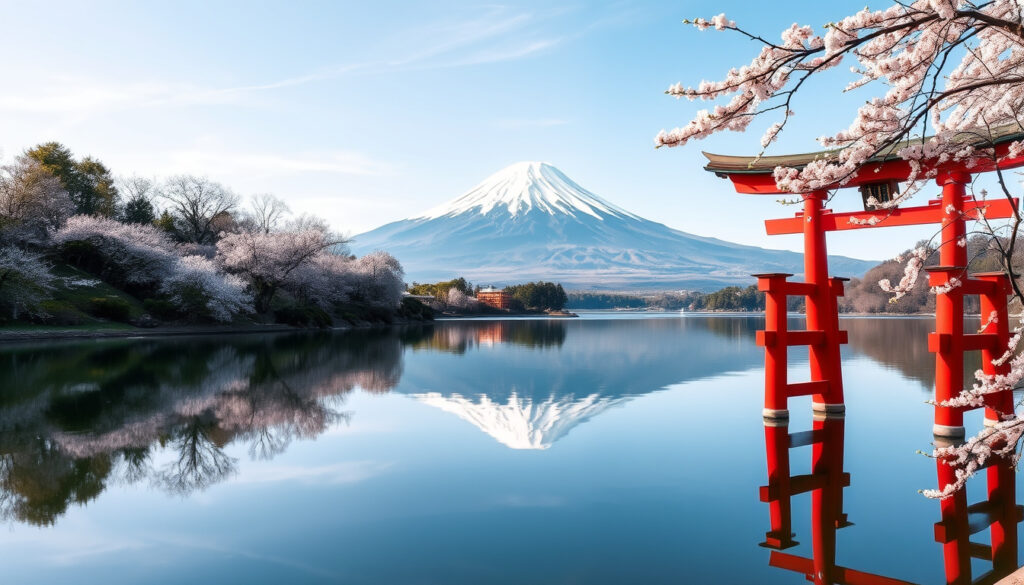
Where to Go in Japan – Top Destinations and Itineraries
Japan welcomes millions of visitors each year with its remarkable blend of ancient traditions and cutting-edge modernity. For first-time travelers, choosing where to go in Japan requires balancing iconic sites, regional diversity, and practical logistics across a surprisingly compact landscape. This guide maps out the essential destinations, seasonal considerations, and itinerary strategies that help visitors make the most of their time in the country.
The most visited areas cluster along Japan’s Pacific corridor, commonly called the Golden Route, connecting Tokyo, Kyoto, and Osaka. These cities alone offer weeks of exploration, but travelers with more time venture toward Hiroshima, Hakone, and quieter valleys tucked into the mountains. Each region delivers a distinct facet of Japanese culture, from neon-lit entertainment districts to centuries-old temple gardens.
Understanding which destinations suit your interests, budget, and travel style transforms an overwhelming array of possibilities into a manageable journey. The information below draws from established travel resources, recent visitor data, and practical field reports to help you build a foundation of reliable facts before customizing your own route.
What are the best places to visit in Japan?
Japan’s tourism landscape centers on a handful of destinations that consistently appear across expert recommendations, traveler reviews, and official guides. These locations share accessibility via Japan’s rail network, established visitor infrastructure, and a concentration of landmarks that reward first-time visitors with immediate impact.
Top destinations for first-time visitors
Japan’s capital delivers urban intensity unmatched anywhere else in Asia. The city encompasses neighborhoods ranging from the orderly commerce of Marunouchi to the youth culture of Harajuku and the electronics maze of Akihabara. Sensoji Temple in Asakusa provides a traditional counterpoint to the surrounding modernity.
Former imperial capital and keeper of Japan’s classical arts, Kyoto preserves over two thousand temples and shrines. The city anchors Japan’s cultural heritage tourism, drawing visitors to sites like Kinkaku-ji, Fushimi Inari, and the preserved geisha district of Gion.
Japan’s third-largest city earns recognition primarily for its food culture and approachable urban energy. Dotonbori’s neon-drenched canal district, Osaka Castle, and street food staples like takoyaki and okonomiyaki make the city a favorite for travelers prioritizing culinary experiences.
Beyond its historical weight, Hiroshima offers access to Miyajima Island, where the floating torii gate of Itsukushima Shrine ranks among Japan’s most photographed landmarks. The Peace Memorial Park provides educational context that many visitors describe as the most memorable part of their trip.
Key insights for planning your visit
- The Japan Rail Pass covers unlimited travel on most shinkansen and local trains connecting Tokyo, Kyoto, Osaka, and Hiroshima, potentially saving around 50% compared to individual tickets
- Most first-time visitors concentrate their time along the Golden Route (Tokyo-Kyoto-Osaka), which balances iconic sites with excellent transport connections
- Day trips to Nara, Hakone, and Hiroshima extend the standard route without requiring additional base cities
- Arriving at Narita Airport rather than Haneda typically provides better access to shinkansen departure points, though both airports connect to central Tokyo
- Early mornings significantly reduce crowd density at major temples and market areas, with popular spots like Arashiyama Bamboo Grove best visited within an hour of sunrise
- IC cards (Suica, ICOCA) streamline local transit payments across trains, buses, and convenience stores
- Peak seasons (cherry blossom spring, autumn foliage) demand reservations three to six months ahead for accommodations
The Japan Rail Pass does not cover Nozomi and Mizuho shinkansen trains, which are the fastest services on some routes. Using Hikari or Sakura trains instead keeps your pass valid while adding only minimal travel time.
| Destination | Primary appeal | Best for |
|---|---|---|
| Tokyo | Urban energy, museums, dining | First-timers, culture seekers |
| Kyoto | Temples, gardens, history | Tradition, photography |
| Osaka | Food, nightlife, castles | Foodies, families |
| Hiroshima | Peace memorials, Miyajima | History, reflection |
| Nara | Deer park, Todai-ji temple | Families, accessible day trip |
| Hakone | Mt. Fuji views, hot springs | Nature, relaxation |
| Kiso Valley | Historic trail, rural ryokan | Off-beaten path, hiking |
How to plan your Japan itinerary
A two-week timeframe represents the sweet spot for first-time visitors to Japan, according to experienced travel planners and tour operators. This duration allows meaningful exploration of three to four base cities without feeling rushed, while leaving room for day trips that reveal regional character beyond the major urban centers.
Recommended 14-day route
The standard first-time itinerary begins in Tokyo, where visitors typically spend three to four days acclimating to the country’s pace and logistics. The capital’s airports (Narita and Haneda) handle the majority of international arrivals, and the city’s subway network serves as an introduction to Japan’s punctual transit systems. From there, the shinkansen delivers travelers to Kyoto in roughly two and a half hours, with Osaka reachable in another fifteen minutes by train.
Day one through three anchor in Tokyo, covering neighborhoods from Shinjuku’s business towers to Asakusa’s historic temple district. Tsukiji Fish Market draws early risers interested in auctions and fresh sushi, while nearby teamLab Borderless offers an immersive digital art experience popular with families and art enthusiasts. The Meiji Jingu shrine and Harajuku district provide contrast between contemplative and vibrant urban spaces.
Days four through seven shift focus to Kyoto, where temple density demands selective prioritization. Kiyomizu-dera, Kinkaku-ji, and Fushimi Inari Shrine anchor most itineraries, with day six typically including a forty-minute train ride to Nara. The Todai-ji temple houses what visitors describe as the world’s largest wooden building, and the local deer park offers interactions that appeal particularly to younger travelers. Arashiyama Bamboo Grove benefits from early morning visits, as crowds accumulate quickly once the area opens to visitors.
Days eight through twelve explore Osaka as a base, with day trips to Hiroshima and, optionally, back to Kyoto for sites missed earlier. Osaka Castle, the Dotonbori canal district, and Kuromon Market showcase the city’s distinctive food culture. The Cup Noodle Museum offers a hands-on experience where visitors create custom instant noodles. Hiroshima’s Peace Memorial and Miyajima Island rank among Japan’s most emotionally resonant destinations, requiring a two-hour train journey from Osaka but delivering experiences that many travelers cite as trip highlights.
The journey from Tokyo to Kyoto via shinkansen takes approximately two hours and fifteen minutes on Hikari trains, compared to under three hours on the fastest Nozomi services. Since the Japan Rail Pass does not cover Nozomi trains, planning with Hikari or Sakura alternatives keeps transit costs covered under the pass while adding minimal time to the journey.
Extending beyond the standard route
Travelers with additional days find that Nikko, located two hours north of Tokyo, offers ornate shrines with extensive gold leaf detailing at Toshogu. The area provides a convenient extension for those returning to Tokyo before departure. Alternatively, Kiso Valley in central Japan presents the Nakasendo Trail, a historic post town route connecting Tsumago and Magome through preserved mountain villages where traditional ryokan accommodations maintain the atmosphere of feudal-era travel.
Hakone, nestled in Fuji-Hakone-Izu National Park, serves as the most accessible nature destination from Tokyo for day trippers. The area’s ropeway, pirate ship cruise across Lake Ashi, and volcanic valley at Owakudani (famous for black eggs cooked in sulfur vents) provide outdoor variety that contrasts with urban temple visits.
Best time to visit Japan and seasonal highlights
Japan’s four distinct seasons each draw their own constituency of visitors, though spring consistently registers as the most popular period for tourism. The country stretches across sufficient latitude that weather patterns vary considerably between northern and southern regions, creating micro-climates that travelers should account for when planning seasonal activities.
Spring and cherry blossoms
Late March through early April marks Japan’s cherry blossom season, when sakura forecasts draw visitors into a kind of nationwide pilgrimage. Tokyo’s blossom period typically peaks between late March and early April, while Kyoto’s timing lags approximately a week behind due to its inland position and elevation. Popular viewing spots along the Philosopher’s Path canal in Kyoto and the Arashiyama Bamboo Grove in the city’s western reaches transform into crowded spectacles during peak weekends.
Weather during sakura season ranges from cool to mild, with daytime temperatures generally falling between fifty and sixty-five degrees Fahrenheit. Travelers during this window should anticipate higher accommodation costs and earlier booking deadlines compared to shoulder seasons. The Japan National Tourism Organization publishes annual forecasts that help visitors time their trips, though year-to-year variation means precise peak dates remain uncertain until approximately two weeks before.
Other seasonal considerations
Autumn foliage transforms Japan’s temple gardens and mountain landscapes from mid-October through November, creating a second peak tourism period. Fall colors typically appear first in Hokkaido, then progress southward through the main island. Popular temples like Tofuku-ji in Kyoto draw large crowds during this season, though the atmosphere differs markedly from spring’s celebratory energy.
Summer brings heat and humidity to most of Japan’s lowland areas, particularly July and August, though the mountain regions and northern areas remain relatively comfortable. Summer festivals (matsuri) in various cities offer cultural experiences that spring and autumn visitors miss entirely. The interior mountains of central Japan, including Kamikochi and parts of Kiso Valley, become more accessible during summer months when trails clear of snow.
Winter (December through February) offers the fewest crowds at major tourist sites, with lower accommodation rates outside ski resort areas. Tokyo and Osaka maintain mild temperatures compared to northern regions, making them viable year-round destinations. The Japanese Alps and northern Hokkaido transform into world-class skiing territory during winter, drawing visitors who combine cultural touring with snow recreation.
Peak seasons like cherry blossom and autumn foliage periods require accommodation bookings several months in advance. Properties along the Golden Route regularly sell out during these windows, and last-minute availability typically commands premium rates. Travelers flexible with their timing often find shoulder-season visits deliver better value and more relaxed experiences at the same sites.
Themed trips: Family, budget, and hidden gems
Beyond the Golden Route, Japan offers destinations suited to specific traveler priorities. Families, budget-conscious backpackers, and travelers seeking solitude away from crowded tourist zones each find their own paths through the country’s diverse landscapes.
Family-friendly destinations
Japan’s major cities provide substantial entertainment options for traveling families. TeamLab Borderless and TeamLab Planets in Tokyo deliver immersive digital art installations that captivate children and adults alike. The Cup Noodle Museum near Osaka Castle lets younger visitors assemble custom instant noodles while learning about the history of this ubiquitous Japanese food. Hakone’s pirate ship cruise and open-air sculpture garden offer outdoor variety, while the area’s hot spring baths provide relaxation that appeals across age groups.
Nara’s deer park allows children to interact with semi-wild animals in a controlled setting, creating memorable experiences that don’t require translation or cultural context to appreciate. The deer themselves have learned to bow before receiving crackers, adding an element of trained behavior that delights younger visitors. Todai-ji’s massive Buddha statue inside one of the world’s largest wooden structures impresses with sheer scale.
Budget-friendly travel
Japan’s reputation as an expensive destination eases considerably with strategic planning. Daily costs of approximately one hundred to one hundred fifty dollars per person cover mid-range accommodation, meals at izakayas and standing bars, and admission to major sites. Hostel beds range from thirty to fifty dollars, while street food staples like takoyaki and yakitori provide satisfying meals under twenty dollars.
Transportation costs merit particular attention. The fourteen-day Japan Rail Pass at approximately three hundred seventy dollars covers shinkansen travel that would cost significantly more through individual tickets. Travelers spending most of their time in a single region may find that regional passes or IC card pay-as-you-go systems offer better value. Local trains outside the shinkansen network cost substantially less than bullet train fares.
Many of Japan’s most iconic sites—Fushimi Inari, Sensoji, the free areas of Meiji Jingu—charge no admission fees. Gardens and smaller temples often charge five to fifteen dollars, well within most budgets. Convenience store meals (onigiri, sandwiches, bento boxes) provide quick, inexpensive alternatives to restaurant dining for travelers watching expenses.
Consider purchasing the Japan Rail Pass online before arriving in Japan. Passes purchased domestically cost more than those bought in advance through international sales channels, and the pass cannot be purchased inside the country at the discounted international price.
Off-the-beaten-path destinations
Japan’s tourism infrastructure extends far beyond the Golden Route, reaching into mountain valleys, remote islands, and smaller cities that receive a fraction of international visitors. These destinations often require more logistical planning but reward travelers seeking experiences less shaped by mass tourism.
Kiso Valley in Nagano Prefecture preserves the Nakasendo Trail, a historic route connecting post towns between Tokyo and Kyoto that fell out of use after the Meiji Restoration. The villages of Tsumago and Magome maintain traditional architecture and offer ryokan stays that place guests in centuries-old inns. Hiking the trail between these villages takes four to five hours and provides immersion in rural Japanese landscapes that urban travelers rarely encounter.
The Philosopher’s Path in Kyoto demonstrates how less-visited routes within popular destinations can still deliver memorable experiences. This canal-side walkway connecting Ginkaku-ji and Nanzenji temples receives far fewer visitors than nearby Arashiyama yet offers continuous temple views and seasonal gardens along its winding course.
Owakudani in Hakone, while increasingly popular, remains genuinely distinctive for its volcanic landscape and the black eggs (kuro-tamago) boiled in sulfur vents. Eating one of these eggs supposedly adds seven years to life, according to local tradition—though the experience itself provides memories that exceed any longevity claim. The ropeway descent into the valley offers sweeping views of the surrounding caldera.
A day-by-day framework for your trip
Experienced travel planners suggest structuring Japan itineraries around geographic clusters to minimize backtracking and maximize time at destinations. The following framework adapts recommendations from multiple travel sources into a flexible template that adjusts to different trip lengths.
- Days 1-3: Tokyo — Arrival, orientation, major neighborhoods (Shinjuku, Shibuya, Asakusa)
- Day 4: Transit to Kyoto — Shinkansen journey, Ginza morning, arrival in Kyoto early afternoon
- Days 5-7: Kyoto and Nara — Core temples, Philosopher’s Path, Gion district, day trip to Nara
- Day 8: Hakone or Kiso Valley — Nature day trip or overnight in rural inn
- Days 9-10: Osaka — Castle, Dotonbori, markets, optional Cup Noodle Museum
- Day 11: Hiroshima and Miyajima — Peace Memorial, island torii gate
- Day 12: Return to Kyoto — Nijo Castle, Nishiki Market, missed sites
- Day 13: Nikko or free day — Imperial shrines or relaxed exploration
- Day 14: Tokyo departure — Shopping, final sightseeing, airport transfer
This two-week structure extends naturally to sixteen days by inserting additional days in any location that warrants deeper exploration. Kyoto in particular benefits from extra time, as its temple density exceeds what most visitors can meaningfully absorb in three full days.
Established facts versus areas of uncertainty
Travel information varies in reliability, and visitors benefit from distinguishing between well-documented facts and areas where guidance remains inconsistent or subject to change.
| Established | Uncertain or variable |
|---|---|
| JR Pass covers most shinkansen (except Nozomi/Mizuho) | Precise cherry blossom peak dates each year |
| Most Western passport holders receive 90-day visa-free entry | Specific COVID-era travel restrictions |
| Tokyo-Kyoto shinkansen takes approximately 2h15m via Hikari | Accurate crowd density predictions for specific days |
| Arashiyama Bamboo Grove benefits from early morning visits | Exact pricing changes for JR Pass (subject to adjustment) |
| IC cards work across most transit systems nationwide | Individual attraction operating hours during holidays |
| Nara deer are habituated to human interaction | Hyperdia app availability and feature updates |
Visa regulations in particular warrant direct verification through official government sources before travel. While most Western passport holders currently enjoy visa-free tourist entry for ninety days, entry requirements change and individual circumstances may affect eligibility. The Japan National Tourism Organization provides current visa guidance on its official website.
Understanding Japan’s regional character
Japan’s geography shapes tourism patterns more than most travelers initially appreciate. The country’s narrow north-south extent (approximately eighteen hundred miles from Hokkaido to Kyushu) means that climate, culture, and even cuisine vary significantly across regions despite the small overall area.
The Kansai region centering on Kyoto and Osaka maintains distinct dialect, cuisine, and cultural traditions that differ from Tokyo-based norms. Visitors who notice the difference between Kansai and Kanto regions often report deeper appreciation for Japan’s internal diversity. Kyoto’s refined kyo-ryori cuisine contrasts with Osaka’s casual okonomiyaki and takoyaki street food culture.
Mountain barriers historically isolated Japan’s regions, creating distinct local cultures that persist even as modern transportation collapses travel times. The Japan Alps that run through the country’s center served as effective barriers for centuries, and the area remains less visited than the coastal plains where most of Japan’s population concentrates.
Transportation hubs significantly influence itinerary construction. Tokyo, Osaka, and Nagoya serve as primary shinkansen junctions, while smaller cities like Hiroshima, Kanazawa, and Sendai anchor regional rail networks. Most first-time visitors’ itineraries trace a path through these major hubs, with day trips extending to nearby attractions.
Sources shaping this guide
This overview draws from travel planning resources that aggregate first-hand accounts, expert recommendations, and practical field intelligence. Multiple independent sources converge on the core destinations and timing recommendations presented above.
Japan rewards the curious traveler at every scale—from the grand arc of mountain ranges visible from bullet trains to the smallest details of temple garden moss.
— Aggregated from expert travel guides and field reports
Official tourism bodies like the Japan National Tourism Organization provide baseline information on visa requirements, transportation passes, and destination overviews. These sources lack the experiential nuance of traveler accounts but offer reliable verification of official procedures and infrastructure details.
Independent travel blogs and itinerary guides from experienced visitors contribute practical insights that official sources often omit—specific timing recommendations for avoiding crowds, honest assessments of value versus cost, and candid observations about logistical challenges that affect visitors in concrete ways.
Summary: building your Japan journey
Japan’s tourism appeal distributes across a remarkable range of experiences, from metropolitan intensity to mountainous solitude, from ancient temples to contemporary art installations. First-time visitors typically find that the Golden Route delivers satisfying introductions to the country’s major cultural threads, while those with more time discover that Japan’s lesser-known regions often provide the most memorable moments.
Your own priorities—history, food, nature, urban exploration—should shape your route more than any prescriptive itinerary. The destinations above represent starting points rather than mandates. Whether you spend fourteen days working through the full route or concentrate your week in a single region, Japan offers experiences calibrated to nearly every traveler’s interests.
Planning resources like Japan Guide and transit planners such as Hyperdia help refine routes once you’ve identified your priorities. The journey itself becomes part of the experience when Japan’s efficient rail network handles the logistics between destinations.
Frequently asked questions
What are the must-see spots in Tokyo for first-time visitors?
Sensoji Temple in Asakusa, the Meiji Jingu shrine, Harajuku’s Takeshita Street, Shibuya Crossing, and teamLab Borderless rank among the most frequently mentioned highlights. Most visitors allocate two to three full days to explore these areas alongside neighborhoods that catch their particular interest.
Where can I find the best cherry blossom spots in Japan?
Kyoto’s Philosopher’s Path, Arashiyama, and the area around Maruyama Park offer iconic sakura viewing. Tokyo’s Ueno Park, Meguro River, and the area around Chidorigafuchi also draw large crowds during peak season. The Japan National Tourism Organization publishes annual forecasts that help time visits precisely.
What off-the-beaten-path places are worth visiting in Japan?
Kiso Valley’s Nakasendo Trail between Tsumago and Magome provides rural immersion, while Kanazawa preserves historic geisha districts and samurai neighborhoods without the crowds of Kyoto. The Oki Islands, Takayama in Gifu Prefecture, and the remote islands of the Inland Sea offer distinct experiences far from the Golden Route.
How much does a Japan trip cost for budget travelers?
Budget travelers report daily costs between one hundred and one hundred fifty dollars per person covering accommodation, meals, and activities. Hostel beds run thirty to fifty dollars nightly, while street food and convenience store meals keep food costs under twenty dollars per day. The Japan Rail Pass represents the largest single transport expense at approximately three hundred seventy dollars for fourteen days.
Is the Japan Rail Pass worth it for a two-week trip?
The pass typically saves around fifty percent compared to individual shinkansen tickets for travelers covering Tokyo, Kyoto, Osaka, and Hiroshima. For trips staying within a single region or relying primarily on local transit, regional passes or pay-as-you-go IC cards offer better value. Purchase the pass online before arrival for the discounted international price.
What family-friendly activities does Japan offer?
Nara’s deer park, Hakone’s pirate ship and hot springs, teamLab digital art museums, and the Cup Noodle Museum in Osaka provide interactive experiences popular with children. Japan’s train system itself often appeals to young travelers, and convenience store culture (where children select snacks and drinks) adds a daily activity to any itinerary.
Do I need a visa to visit Japan?
Citizens of the United States, European Union member states, Canada, Australia, and many other countries receive ninety-day visa-free tourist entry to Japan. Passport validity of at least six months beyond the intended departure date is required. Travelers should verify current requirements through official sources, as visa policies change periodically.
More related posts
 Bus Queue Brawl at Malaysia-Singapore Border – Full Breakdown
 Singapore 2025 S$700 Cash Payout: Eligibility & Date
 Adam Road Presbyterian Church: Address, Services & Tengah Campus
 Maybank Fixed Deposit Promotion July 2026: Up to 3.65%
 How to Start a Garden: Step-by-Step Beginner Guide
 Ghost Month 2026: Start and End Dates, Taboos, Lucky Signs
 Physio and Sole Clinic: Owner, Locations, Charges & Reviews
 Braised Pork Belly Recipe: Step-by-Step Hong Shao Rou Guide