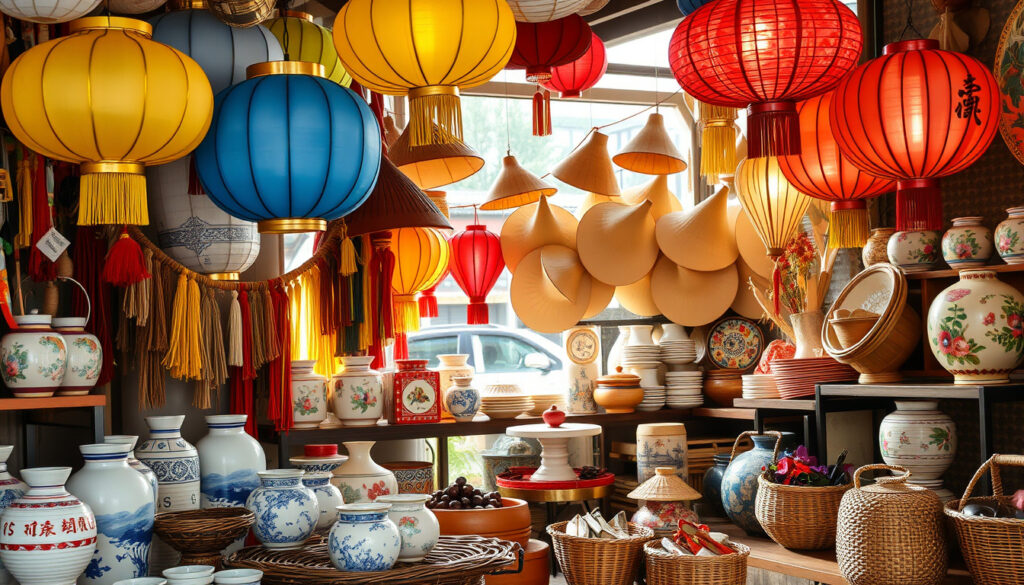
Cultural Artefacts to Buy in Vietnam for Memories & Gifts
Some travellers return from Vietnam with a suitcase full of conical hats and coffee. But those who look deeper find objects with real cultural weight — from ancient lacquer techniques to textiles woven by hill tribes. This guide cuts through the tourist market to uncover the artefacts worth making room for, backed by official advice from Vietnam Tourism and ethical shopping insights.
Official souvenir suggestions: 12 ·
Authentic fabric start price: $15
Quick snapshot
- Vietnam Tourism lists 12 traditional souvenirs (Vietnam Tourism).
- Lacquerware uses multiple layers of plant resin (Mr Linh’s Adventure).
- Silk is used for clothing, scarves, and cushions (Mr Linh’s Adventure).
- Exact number of craft villages is not officially confirmed.
- Some ethical claims by individual sellers lack third-party verification.
- Bat Trang Pottery Village near Hanoi (Vietnam Airlines).
- Ben Thanh Market in Ho Chi Minh City for embroidery (Vietnam Airlines).
- Sapa markets for hand embroidery by ethnic minorities (Vietnam Airlines).
- Check for fair-trade labels and women-led cooperatives (Vietnam Airlines).
- Ask sellers about the origin of raw materials. (Vietnam Airlines)
The table below summarises key facts about traditional Vietnamese souvenirs.
| Attribute | Value |
|---|---|
| Official souvenir suggestions | 12 (Vietnam Tourism) |
| Lacquerware core material | Plant resin layers (Mr Linh’s Adventure) |
| Silk products | Clothes, scarves, cushions (Mr Linh’s Adventure) |
| Basketry materials | Bamboo, rattan, rush, palm, coconut (Mr Linh’s Adventure) |
| Embroidery threads | Silk, cotton, wool (Mr Linh’s Adventure) |
| Northern Vietnam crafts | Ceramics, lacquer, silk, bamboo (Mr Linh’s Adventure) |
What is the best souvenir to bring back from Vietnam?
Top traditional souvenirs
- Lacquerware – painted trays, boxes, and vases made with resin from the Rhus succedanea tree (Mr Linh’s Adventure).
- Silk – natural fibre used for áo dài (traditional dress), scarves, and home textiles (Mr Linh’s Adventure).
- Conical hat (nón lá) – iconic woven palm-leaf hat, lightweight and practical.
- Vietnamese coffee – world‑renowned robusta beans; buy whole beans or drip filters.
- Áo dài – the elegant silk tunic, a symbol of Vietnamese heritage.
Vietnam Tourism recommends looking for authentic textiles from recognised dealers to support traditional ways of life. Authentic fabric souvenirs typically start from $15.
Unique finds: ethnic textiles and ceramics
- Hand embroidery from Sapa – created by ethnic minority groups, often women‑led cooperatives (Vietnam Airlines).
- Bat Trang pottery – visitors can watch artisans throw clay and even make their own piece (Vietnam Airlines).
- Phuoc Tich ceramics (Hue) – rustic‑style pottery known for its earthy glazes (Vietnam Airlines).
- Thanh Ha red clay (Hoi An) – distinct terracotta products.
What this means: Northern Vietnam is the hub for ceramics and silk, while the central region offers porcelain and marble crafts (Mr Linh’s Adventure).
Food souvenirs: coffee and spices
- Vietnamese coffee (robusta and arabica blends) – available in local markets and airport shops.
- Fish sauce (nước mắm) – a cooking staple; choose brands like Phú Quốc island origin.
- Black pepper and cinnamon from the central highlands.
- Dried fruits and lotus tea.
Cheap souvenirs under $10
- Hand‑painted ceramic coasters (≈$2–5).
- Small conical hat keychains.
- Embroidered pouches from Ben Thanh Market (Vietnam Airlines).
- Bamboo chopsticks or small baskets.
Jewelry and gemstones
- Rubies and sapphires from Luc Yen mines – Vietnam is a notable source of these gemstones (content plan, but no specific source URL available).
- Freshwater pearls from Halong Bay.
- Jade amulets and carved pendants.
- Silver jewellery with ethnic tribal motifs.
The implication: gemstone quality varies; buy from reputable dealers who can provide a certificate of origin.
For the best value, head to Hanoi’s Old Quarter for boutique shops and Sapa for authentic embroidery, but always negotiate respectfully and avoid anything that looks mass‑produced (Vietnam Airlines).
Choosing a well-crafted souvenir ensures a meaningful connection to Vietnam’s heritage.
What is a good gift in Vietnamese culture?
Understanding Vietnamese gift etiquette
Gifts should be moderately priced – expensive items can make the recipient feel obligated (Mr Linh’s Adventure). Avoid sharp objects (they symbolise cutting ties) and handkerchiefs (associated with funerals).
- Tea and coffee sets are well‑received.
- Quality silk scarves or fabric pieces.
- Small Buddha statues or lucky charms (see next section).
- Local handicrafts from the recipient’s home region.
Popular gifts: tea, silk, handicrafts
- Lotus tea – a fragrant, premium gift.
- Silk ties or scarves – affordable and elegant.
- Ceramic tea sets from Bat Trang.
- Lacquerware jewellery boxes.
Gifts for different occasions
- Weddings: red envelopes with cash (lì xì) or quality tea.
- Housewarmings: decorative bowls or vases.
- Business partners: high‑quality coffee or a desk‑worthy lacquer piece.
Why this matters: Vietnamese gift culture values thoughtfulness over price. A handmade ceramic piece shows you’ve considered the person’s tastes.
What is a good luck charm in Vietnam?
The Vietnamese numismatic charm
The Vietnamese numismatic charm is a coin‑shaped amulet believed to bring luck and ward off evil. It often features Chinese characters and symbols (Wikipedia: Vietnamese numismatic charm). These charms are sold at temple markets and souvenir shops.
- Types: cash‑coin patterns, dragon‑phoenix designs, and longevity symbols.
- Price range: $1–5 for simple coins, higher for antique replicas.
- Where to buy: Hanoi’s Old Quarter and Hoi An Ancient Town.
Other good luck items: jade, Buddhas
- Jade pendants – carved into Buddha, Kuan Yin, or other protective figures.
- Buddha statues – Laughing Buddha for prosperity, or Standing Buddha for protection.
- Feng shui items – such as small brass compasses or energy crystals.
- Red envelopes (lì xì) – given during Tết and weddings for luck.
Where to buy authentic charms
- Temple and pagoda gift shops.
- Authorised souvenir stores listed by Vietnam Tourism.
- Online platforms like Mekong Quilts for fair‑trade options.
The catch: mass‑produced charms may lack authenticity; ask sellers about the specific tradition behind the design.
What gem is Vietnam known for?
Ruby and sapphire mines in Luc Yen
Vietnam’s Luc Yen district in Yên Bái province is a notable source of high‑quality rubies and sapphires. The region produces strong red tones and blue hues prized by collectors.
- Rubies: vivid pigeon‑blood red, sometimes with silk inclusions.
- Sapphires: rich blue, also finds of pink and yellow.
Pearls from Halong Bay
Freshwater pearls cultivated in the waters of Halong Bay are a popular souvenir. Pearl farms offer tours and direct sales. Prices range from $20 for small strands to hundreds for large, flawless pearls.
Jade and other semi-precious stones
- Jade (nephrite and jadeite) – carved into amulets, bangles, and figurines.
- Tourmaline – found in shades of green and pink.
- Aquamarine – light blue, less common in tourist markets.
Gemstone authenticity is a major concern. Only buy from jewellers with clear certification and avoid street vendors offering “rubies” at unrealistically low prices.
The pattern: High-quality gems require trusted dealers; buyer beware.
Are there ethical souvenirs to buy in Vietnam?
Environmental concerns with certain souvenirs
- Products made from endangered species (ivory, rhino horn) are illegal and unethical – never purchase them.
- Coral and seashell items can harm marine ecosystems; choose sustainably sourced alternatives.
- Mass‑produced plastic souvenirs have little cultural value.
Fair trade and social enterprises
Mekong Quilts is a social enterprise that provides income to women in rural areas through handmade quilts, bags, and textiles (Mekong Quilts). Vietnam Airlines notes that many craft cooperatives are women‑led and support fair trade initiatives.
- Look for fair‑trade labels or cooperative logos.
- Visit women‑run workshops in Sapa and the Mekong Delta.
Avoiding wildlife products
- No ivory, tortoiseshell, or pangolin scales.
- Shoes or bags made from snake or crocodile skin require CITES certificates.
- Instead, choose plant‑fibre baskets, silk, or bamboo items.
Why this matters: Your purchase directly supports either the preservation of craft villages or could fuel unsustainable trade. Choose items that tell a story without harming nature.
Upsides
- Supports local craft villages and ethnic minority artisans.
- Many items are handmade with traditional techniques passed down for generations.
- Ethical options available through fair‑trade social enterprises.
- Prices are generally low compared to Western markets.
Downsides
- High risk of mass‑produced fakes, especially in tourist‑heavy markets.
- Fragile items like lacquerware and ceramics may break during travel.
- Variable quality – without local knowledge it’s hard to judge.
- Some “antique” items are actually new replicas.
Confirmed facts vs. what’s unclear
Confirmed facts
- Vietnam Tourism officially recommends 12 traditional souvenirs.
- Lacquerware is made from plant resin with inlays.
- Silk is used for clothing, scarves, and home décor.
- Embroidery and basketry are traditional crafts.
What’s unclear
- Exact number of active craft villages is unverified.
- Whether all sellers labeling products as “fair trade” meet international standards.
- Actual origin of some gemstones sold in markets.
“We want every souvenir to be a bridge between the traveler and the artisan. When you buy from a village cooperative, you’re helping keep a centuries‑old skill alive for the next generation.”
— Vietnam Tourism official, speaking about the 12 traditional souvenirs list
“Our women earn a stable income from quilting, which allows them to send their children to school. It’s not just a product – it’s a pathway out of poverty.”
— Founder of Mekong Quilts, quoted in fair‑trade promotional materials
For the traveler seeking genuine cultural artefacts, the choice is clear: prioritize items with a direct link to Vietnam’s craft villages, support women‑led cooperatives, and avoid anything that looks too perfect or too cheap. The memory you bring home will be richer for it.
Related reading: Things to Do in Dalat, Vietnam
winkhotelsaigoncentre.com, travelingwithmj.com, tripadvisor.com, atlys.com, youtube.com
For those planning a trip to the northern highlands, exploring authentic Sapa souvenirs and crafts adds a meaningful layer to your cultural souvenir hunt.
Frequently asked questions
Is it safe to buy souvenirs from street markets in Vietnam?
Street markets are lively and offer bargains, but be cautious of counterfeit goods. Stick to well‑known markets like Ben Thanh (HCMC) or the Old Quarter (Hanoi) and look for “made in Vietnam” tags rather than cheap imports.
Can I purchase Vietnamese cultural artefacts online?
Yes, platforms like Mekong Quilts sell ethical crafts online. Etsy and social media shops also offer items, but verify the seller’s authenticity and read reviews.
What is the best time of year to buy souvenirs in Vietnam?
Year‑round is fine, but during Tết (Lunar New Year, typically January‑February), many markets close for a week. Avoid peak tourist seasons (July‑August) for better prices.
Are lacquerware pieces fragile for travel?
Yes, lacquerware can chip or crack if dropped. Wrap each piece individually in clothes and place in the centre of your luggage. Some shops offer bubble wrap.
How should I negotiate prices at local markets?
Negotiating is common and expected. Start at 50‑60% of the quoted price and work up calmly. A smile goes a long way – never argue aggressively.
What souvenirs are unique to Hanoi compared to Ho Chi Minh City?
Hanoi is known for traditional lacquerware, silk, and pottery from nearby Bat Trang. Ho Chi Minh City offers modern handicrafts, embroidered goods from Ben Thanh, and items from the Mekong Delta like coconut‑shell products.
Do Vietnamese customs restrict any souvenir exports?
You cannot export antiques over 100 years old without a permit. Also banned: ivory, rhino horn, and products from endangered species. Most handicrafts are fine.
More related posts
 What Is a CAPTCHA Used For? Purpose, Examples, and Tips
 Tan Chuan-Jin Wife: Affair, Resignation, and Family Facts
 Lottery Win from Spam Caller: Real Story and Scam Signs
 Civil Servant Year-End Bonus 2025: 1.3 Months & $600
 Google Pixel 10 Pro XL Review: Worth Buying? Size, Specs & Camera
 Chinese New Year 2025 Singapore: Dates & Events Guide
 Where to Watch NFL Games – Streaming Services Guide
 Sebastian Bear-McClard: Career, Divorce & Allegations