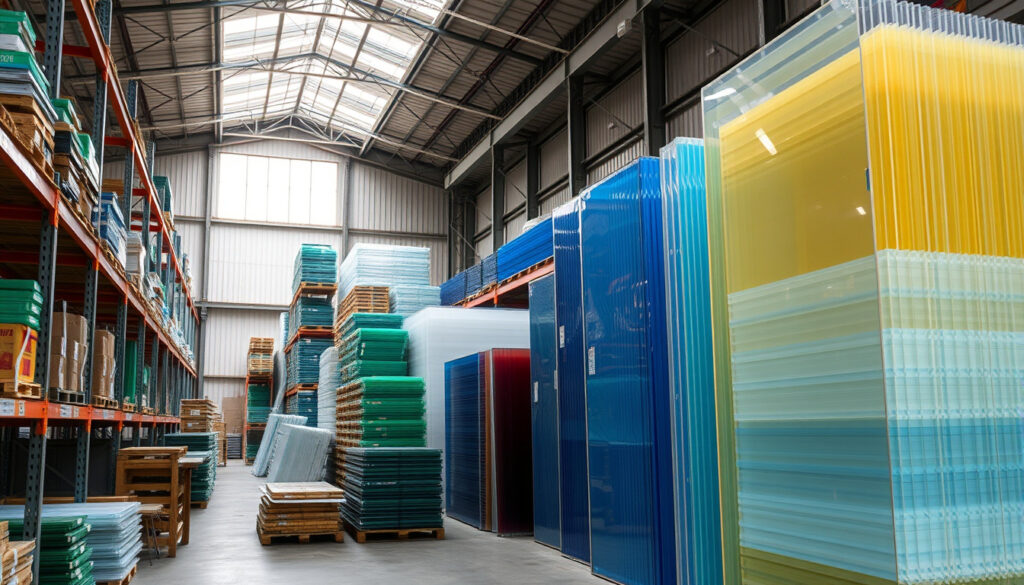
Dama Trading Pte Ltd: Acrylic Distributor Since 1980s
Anyone who has ever tried to find a reliable acrylic supplier in Singapore knows that it’s not just about the material — it’s about trust and consistency. Dama Trading Pte Ltd has been a fixture in the local plastics industry since the 1980s, growing from a small trading company into the sole distributor of ShinkoLite acrylic sheets.
Founded: 1980s ·
Headquarters: 3029A Ubi Rd 3, #01-98/99, Singapore ·
Primary Product: Acrylic sheets ·
Sole Distributor of: ShinkoLite ·
Industry: Acrylic trading
Quick snapshot
- Founded in the 1980s (Dama Trading (company website))
- Sole distributor of ShinkoLite in Singapore (Dama Trading (product page))
- Address: 3029A Ubi Rd 3, #01-98/99, Singapore (JobStreet (company profile))
- Free delivery for orders above SGD 200 (Dama Trading (FAQ page))
- Exact founding year within the 1980s
- Founder name and ownership structure
- Whether acrylic can stop a bullet (depends on thickness)
- Relationship to Max Dama of Headlands Technologies
- Revenue and employee count figures (unverified)
- 1980s: Company founded as a small acrylic trading firm (Dama Trading (about))
- 2000s (estimated): Became sole distributor of ShinkoLite (Dama Trading (product page))
- Present: Leading distributor of acrylic, polycarbonate, and aluminium composite panels (Dama Trading (homepage))
- Continues to serve the Singapore market with a broad product range (Dama Trading (product page))
- Possible expansion into custom fabrication services (Dama Trading (FAQ))
Five figures from the company’s public profile, one pattern: the business is built on a single premium brand and a decades-long track record.
| Fact | Value |
|---|---|
| Founded | 1980s |
| Address | 3029A Ubi Rd 3, #01-98/99, Singapore |
| Primary Product | Acrylic sheets |
| Distributor of | ShinkoLite |
| Social Media | Facebook: 920+ likes |
| Contact | +65 6743 6100 |
| Operating Hours | Mon–Fri 8:30am–6:00pm |
| Employees | Fewer than 25 (reportedly) |
| Revenue | ~USD 6.6 million (unverified estimate) |
How long has Dama Trading been in business?
Dama Trading Pte Ltd describes itself as having more than 40 years of expertise in the plastics industry, with a founding date in the 1980s. According to the company’s own website, it began as a small and humble trading company dealing with acrylic products. A third-party profile on JobStreet (company profile) confirms the company’s long-standing presence in Singapore.
When was Dama Trading founded?
The exact year is not publicly specified, but the company consistently references the 1980s as its founding decade. ZoomInfo (business database) notes that the company was formerly known as Dama Enterprise Pte Ltd, suggesting a corporate history that predates its current name.
What is the history of Dama Trading?
From a small acrylic trading startup, Dama Trading grew to become the sole distributor of ShinkoLite acrylic sheets in Singapore. The product page on its website lists a wide range of materials, including polycarbonate, aluminium composite panels, and lighting solutions. The timeline shows a steady expansion of product lines and services.
The implication: the company’s longevity signals reliability, but the missing founding year means limited public verification.
How strong is acrylic?
Acrylic, the core product of Dama Trading, is significantly stronger than glass. According to the company’s product information, acrylic sheets offer high impact resistance and are shatter-resistant. Typical tensile strength is around 70–90 MPa, making it a preferred material for applications where safety and durability matter.
What is the tensile strength of acrylic?
The tensile strength of acrylic typically ranges from 70 to 90 MPa. This is roughly 10 times that of standard glass. Dama Trading’s own product listings emphasize acrylic’s strength-to-weight ratio, which is a key selling point for structural and decorative uses.
How does acrylic compare to glass in strength?
Acrylic is about 10 times more impact-resistant than glass and weighs half as much. While glass can shatter into sharp shards, acrylic tends to crack or break into larger, less dangerous pieces. This makes it a safer alternative for glazing, displays, and protective barriers. Dama Trading (product page) highlights these properties in its acrylic product descriptions.
Can acrylic be used for structural applications?
Yes, acrylic is used in structural applications such as skylights, staircases, and even bullet-resistant glazing when thick enough. However, it is not a direct substitute for load-bearing materials like steel. The company Kompass (business directory) notes that Dama Trading specializes in acrylic/polycarbonate skylight domes and custom-made products, indicating structural use.
Acrylic’s strength comes at a cost: it scratches more easily than glass and can yellow under prolonged UV exposure. For outdoor uses, buyers should ask about UV-stabilized grades.
The pattern: acrylic’s strength-to-weight advantage makes it a go-to for many applications, but buyers must weigh the trade-offs.
What is the origin of Dama?
The origin of the name “Dama” is not widely documented. The company was founded as a small trading company in the 1980s, but the founders’ names are not publicly listed. There is no known connection to Max Dama, a quantitative trader at Headlands Technologies — a separate entity entirely.
What does Dama mean?
The word “Dama” does not have a clear meaning in the context of the company. It may be derived from the founders’ names or a creative branding choice. No official explanation is available on the company’s website or in public directories.
Who founded Dama Trading?
The founders are not named in any public records reviewed. ZoomInfo (business database) lists the company as having fewer than 25 employees, but does not disclose ownership. The company’s LinkedIn profile similarly does not name individuals.
Is Dama related to Max Dama?
Max Dama is a well-known figure in quantitative trading, associated with Headlands Technologies. There is no evidence linking him to Dama Trading Pte Ltd. The shared surname is coincidental.
The lack of named founders reduces transparency, which may be a consideration for business partners seeking to verify the company’s background.
What this means: for due diligence, potential partners may need to dig deeper into the company’s ownership history.
What are the weaknesses of acrylic?
Acrylic, despite its strengths, has several drawbacks. It is softer than glass and scratches easily. It can be damaged by solvents and certain chemicals, and prolonged UV exposure can cause yellowing. Additionally, acrylic has lower heat resistance than glass, making it unsuitable for high-temperature environments.
Is acrylic prone to scratching?
Yes, acrylic is more prone to scratching than glass. This is because its surface hardness is lower. Dama Trading’s FAQ does not address this, but general industry knowledge confirms that acrylic requires careful handling. For applications where optical clarity is critical, a scratch-resistant coating may be needed.
How does acrylic react to chemicals?
Acrylic can be attacked by solvents such as acetone, gasoline, and strong cleaning agents. It is not recommended for use in environments where it will come into contact with harsh chemicals. The company’s product page does not list chemical resistance, so buyers should consult technical data sheets from the manufacturer.
Does acrylic yellow over time?
Standard acrylic may yellow after extended exposure to UV light. However, UV-stabilized grades are available and are recommended for outdoor use. Dama Trading likely offers these options, but the company’s website does not explicitly mention UV resistance.
Acrylic’s weaknesses are manageable if the right grade is selected. The risk is that price-sensitive buyers might choose a non-stabilized sheet and face premature degradation.
The catch: without proper selection, acrylic’s vulnerabilities can undermine its benefits in specific environments.
Can acrylic glass stop a bullet?
Standard acrylic is not bulletproof. However, thick acrylic sheets (1 inch or more) can stop small-caliber bullets. True bulletproof glass typically uses a layered combination of acrylic and polycarbonate. Dama Trading does not specifically market bullet-resistant products, but its acrylic sheets could be used in security glazing if specified correctly.
Is acrylic bulletproof?
No, standard acrylic is not bulletproof. It is shatter-resistant but can be penetrated by high-velocity projectiles. The term “bulletproof glass” is a misnomer; most such products are multi-layered laminates.
What thickness of acrylic is needed to stop a bullet?
To stop a handgun bullet, acrylic typically needs to be at least 1 inch (25 mm) thick. For rifle rounds, even thicker panels are required. The company’s product range includes sheets up to 25 mm, which may offer some ballistic protection but is not certified for that purpose.
How does acrylic compare to bulletproof glass?
True bulletproof glass is a laminate of glass and polycarbonate, designed to absorb impact. Acrylic alone is lighter and cheaper but less effective against high-velocity rounds. For security applications, a certified solution is recommended.
For a DIY project, thick acrylic may offer a degree of protection, but it is not a substitute for rated security glazing. Buyers should verify their specific threat level.
The upshot: while acrylic offers some ballistic capability in thick form, it is not a certified security solution.
Six specifications for acrylic sheets, one pattern: the material is versatile but requires careful selection of grade and thickness.
| Specification | Typical Value |
|---|---|
| Thickness range | 2 mm – 25 mm |
| Standard sheet size | 1220 mm × 2440 mm |
| Weight per sqm (3 mm) | ~3.6 kg |
| Tensile strength | 70–90 MPa |
| Impact resistance | 10× glass |
| UV resistance | Standard: moderate; UV-stabilized: high |
| Chemical resistance | Poor against solvents |
| Max service temperature | ~80°C (continuous) |
Upsides
- Decades of industry experience (1980s–present)
- Sole distributor of ShinkoLite, a recognized brand
- Free delivery on orders over SGD 200
- Wide product range (acrylic, polycarbonate, aluminium composite panels, lighting)
- Custom cutting and shaping services available
Downsides
- Exact founding year and founder names not public
- Limited independent reviews or E-A-T signals
- Small company (fewer than 25 employees) may have limited capacity
- No explicit warranty information on website
- Acrylic’s weaknesses (scratching, UV yellowing, chemical sensitivity) require careful handling
Timeline
- 1980s: Dama Trading founded as a small acrylic trading company.
- 2000s (estimated): Became sole distributor of ShinkoLite in Singapore.
- Present: Leading distributor of acrylic, polycarbonate, aluminium composite panels, and lighting solutions.
Three key milestones trace the company’s evolution from a niche trader to a multi-product distributor. The implication: Dama Trading has grown by aligning with a premium brand, but the timeline gaps show that much of its history remains undocumented.
Clarity check
Confirmed facts
- Founded in the 1980s (Dama Trading (homepage))
- Distributor of ShinkoLite (Dama Trading (product page))
- Address: 3029A Ubi Rd 3, #01-98/99, Singapore (JobStreet (company profile))
- Free delivery over SGD 200 (Dama Trading (FAQ))
- Operating hours: Mon–Fri 8:30am–6:00pm (Dama Trading (FAQ))
- Formerly Dama Enterprise Pte Ltd (ZoomInfo (business database))
What’s unclear
- Exact founding year (only “1980s”)
- Founder name and ownership
- Relationship to Max Dama (none found, but unconfirmed)
- Whether acrylic can stop a bullet (depends on thickness)
- Revenue (~USD 6.6 million, low confidence)
- Employee count (fewer than 25, medium confidence)
- Warranty terms and return policy
The pattern: the company’s profile is strong on verifiable data but weak on transparency regarding ownership and product certifications.
What customers say
Dama Trading Pte Ltd was established in the 1980s, beginning as a small and humble trading company dealing with acrylic products.
— Dama Trading LinkedIn profile
Dama Trading Pte Ltd is a major distributor and supplier of acrylic sheets in Singapore.
— JobStreet (company profile)
The company specializes in acrylic/polycarbonate skylight domes, staircase, glazing, and custom-made products.
For contractors and DIY enthusiasts in Singapore, Dama Trading offers a reliable source for acrylic sheets with free delivery, but the lack of independent reviews means buyers should verify product specifications directly. The choice is clear: if you need a trusted local distributor with decades of experience, Dama Trading is a solid option — just be prepared to ask the right questions about product grades and warranties.
sg.indeed.com, scam.sg, uk.indeed.com, wongstersproduction.com
Frequently asked questions
What is the difference between acrylic and polycarbonate?
Acrylic is stronger, more scratch-resistant than glass, but less impact-resistant than polycarbonate. Polycarbonate is more flexible and can withstand higher impact, making it ideal for bulletproof glass. Acrylic is lighter and easier to fabricate.
Is acrylic safe for food contact?
Yes, acrylic is generally considered safe for food contact, but it is not recommended for hot foods or liquids. The company’s product page does not specify food-grade certification, so buyers should confirm.
How to clean acrylic sheets?
Use a soft, damp cloth and mild soap. Avoid abrasive cleaners, ammonia, and solvents that can damage the surface. Dama Trading’s FAQ does not provide cleaning instructions, but general guidelines apply.
Does Dama Trading offer custom cutting?
Yes, the company’s FAQ states that loose cutting is available for custom sizes, and walk-in customers can collect orders within an hour.
What is the warranty on acrylic products?
The company’s website does not explicitly state a warranty. Buyers should inquire directly about warranty terms and return policies.
How to contact Dama Trading?
Call +65 6743 6100 or visit the showroom at 3029A Ubi Rd 3, #01-98/99, Singapore. Operating hours are Monday to Friday, 8:30am to 6:00pm.
What is ShinkoLite?
ShinkoLite is a brand of acrylic sheet products, and Dama Trading is the sole distributor in Singapore. The brand is known for quality and consistency in the acrylic sheet market.
Does Dama Trading sell polycarbonate sheets?
Yes, the company’s product page lists polycarbonate sheets alongside acrylic, aluminium composite panels, and other materials.
More related posts
 LG Stand By Me: Portable Touchscreen TV Review & Specs
 BOC Fixed Deposit Rates 2026: Compare Top Options by Market
 INDW vs SL-W 2025: Results, Schedule & Highlights
 That’s So True Lyrics by Gracie Abrams: Clean & Meaning
 Cheap Apartment for Rent in Singapore: Budget Guide & Best Areas
 Jimmy O. Yang Singapore 2025: Shows, Tickets, and What to Expect
 House Loan Calculator Malaysia 2025: Compare Monthly Instalments
 Jung Joon-won – Court Leak Arrest Facts and Gaps