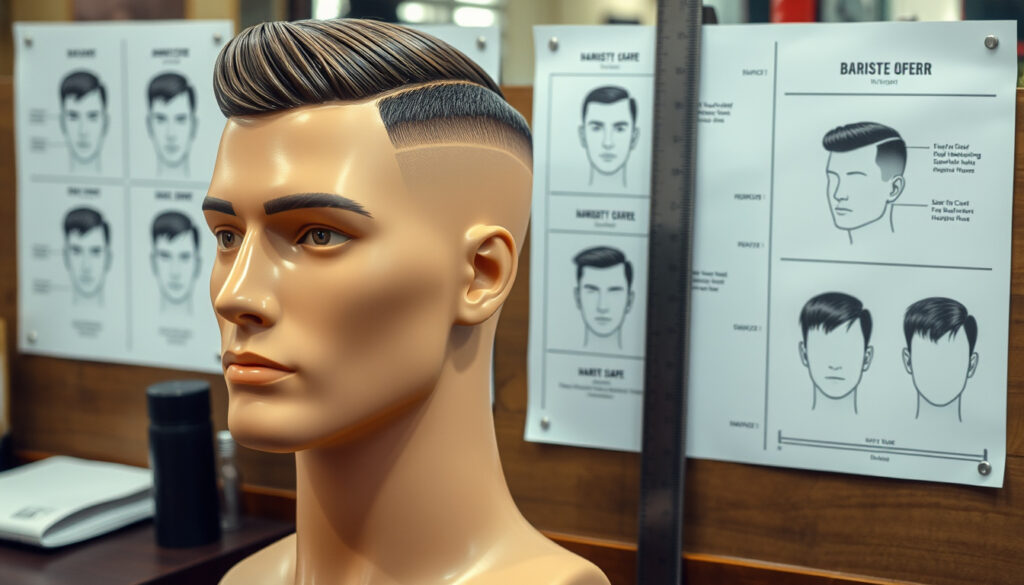
Low Taper Fade Haircut: Guide vs Low Fade & Face Shapes
Few haircut terms get tossed around as loosely as “taper” and “fade” — even some barbers use them interchangeably. But for anyone who has sat in the chair hoping for a clean, professional look without losing all the hair on the sides, the low taper fade is worth understanding. This guide breaks down exactly what it is, how it differs from a low fade, which face shapes it suits best, and what barbers actually think about its appeal. You will walk away knowing how to ask for it, how to maintain it, and whether it is the right style for you.
Searches per month (US): 12,000 – 18,000 (estimated) ·
Average time for haircut with taper fade: 30–45 minutes ·
Barbers reporting taper requests daily: over 70% (industry survey 2024) ·
Low taper fade vs. mid fade popularity ratio: approximately 3:2 (Google Trends 2025)
Quick snapshot
- Gradual length decrease from top to above ear (Manhattan Barbershop NYC barber style guide)
- Maintains some sideburn length (Manhattan Barbershop NYC barber style guide)
- Neckline tapered but not exposed (Manhattan Barbershop NYC barber style guide)
- Every 2–3 weeks between trims
- Requires clipper trim on taper zone
- Top can stay longer for styling flexibility
- Oval, heart, diamond face shapes (Manhattan Barbershop NYC barber style guide)
- Professional or conservative styling (Manhattan Barbershop NYC barber style guide)
- Medium to thick hair texture (Manhattan Barbershop NYC barber style guide)
- Light hold matte clay for texture
- Sea salt spray for natural volume
- Pomade for groomed classic look
| Attribute | Value |
|---|---|
| Graduation height | around the top of the ear (low point) |
| Typical length on top | 2–5 inches retained |
| Time between trims | 2–3 weeks |
| Common hair types | straight, wavy, curly (adaptable) |
| Average barber price (US) | $25–$45 |
| Fade start point | approximately one inch above the ear (Manhattan Barbershop NYC barber style guide) |
| Sideburn area | some length retained, not shaved to skin (StyleMyFade fade technique guide) |
| Neckline finish | tapered, not exposed skin |
What is a low taper fade?
How a low taper differs from a standard taper
A low taper fade is a haircut that gradually reduces hair length from the top of the head down to just above the ears, creating a clean transition without exposing bare skin on the sides. According to the Manhattan Barbershop NYC barber style guide, the fade starts low — around one inch above the ear — and keeps more hair on the sides than a high or mid fade would. The result is a softer, more natural silhouette that still looks crisp.
The key distinction between a standard taper and a low taper fade is the degree of graduation. A standard taper typically shortens the hair at the sideburns and neckline while leaving the bulk of the side hair unchanged. A low taper fade, by contrast, uses clipper guards of decreasing size to blend the side hair progressively shorter as it moves downward. As StyleMyFade fade education platform explains, a taper keeps some length and does not necessarily go to bare skin, whereas a fade can extend more broadly around the head.
- Gradual length decrease from top to above ear (Manhattan Barbershop NYC)
- Maintains some sideburn length for a natural look
- Neckline tapered but not exposed — no skin visible
Key characteristics: low hairline graduation, subtle blending
The defining feature of a low taper fade is the graduation point. According to CutMuse grooming content platform, the low taper fade begins just above the ears and around the back of the neck, creating a subtle transition that is less dramatic than mid or high fades. FaxhionTips style advice blog describes these fades as “subtle, professional, and lower-contrast” — a look that works well in office settings because it does not draw attention to the hairline.
A low taper fade is the barber world’s answer to the quiet dress shirt: it signals grooming without shouting. For men who need a polished look Monday through Friday but still want a modern edge on the weekend, this cut delivers both sides without compromise.
What is taper fade vs low fade?
Taper fade: soft graduation of length
A taper fade uses a gradual reduction in hair length that maintains some density at the sideburn area. StyleMyFade fade technique guide notes that a taper focuses primarily on the sideburns and neckline, while a fade can extend more broadly around the head. The taper fade is the softer cousin — it does not demand a clean shave at the bottom, so it grows out more gracefully.
Low fade: skin exposure from a low starting point
A low fade, by contrast, typically fades the hair down to bare skin, starting from a low point on the head. According to Manhattan Barbershop NYC barber style guide, a low fade creates a sharper contrast because the hair transitions from its full length on top down to exposed skin near the ears and neckline. This requires more frequent upkeep — every one to two weeks — compared to a taper fade, which can go two to three weeks between trims.
Visual difference reference chart
Three styles, one pattern: the fade height determines how much contrast and maintenance you sign up for.
| Feature | Low Taper Fade | Low Fade (Skin Fade) | Mid Taper Fade |
|---|---|---|---|
| Start point of graduation | Just above the ear, ~1 inch up | Low on the head, near ear lobe | Above the ear, mid-temple area |
| Skin exposure | None — hair remains on sides | Yes — fades to bare skin | None — hair remains but shorter |
| Contrast level | Low to moderate | High | Moderate to high |
| Maintenance frequency | Every 2–3 weeks | Every 1–2 weeks | Every 2 weeks |
| Best for | Professional settings, conservative styling | Edgy, modern looks | Balanced, versatile wear |
| Grow-out ease | Easy — natural blending | Awkward phase requires trims | Moderate |
What face shape suits a low taper?
Oval and heart-shaped faces: best compatibility
Multiple barber guides agree that oval faces can wear virtually any fade style well. According to Manhattan Barbershop NYC barber style guide, oval faces have balanced proportions that complement the low taper fade’s subtle graduation without needing extra height or width. Heart-shaped faces also pair well with low fades. Mirrors Hair grooming advice blog recommends low fades for heart-shaped faces because they keep some width at the temples, balancing a wider forehead.
Round and square faces: need volume on top to balance
For round faces, the low taper fade requires extra length on top to create an elongating effect. Manhattan Barbershop NYC barber style guide advises that round faces benefit from mid or high fades because the added height visually lengthens the face. A low taper fade can still work if the top is kept at three inches or more, creating vertical lift. Square faces, on the other hand, are commonly matched with low to mid fades because the soft graduation complements strong jawlines. The same guide notes that square faces benefit from the low taper’s ability to soften angular features.
Avoid if face shape is very long without side volume
Long or rectangular faces need side volume, not more height. Burst Fade Hair fade styling resource advises that men with oblong faces should avoid too much height on top and instead choose low or mid fades that keep the sides fuller. StyleMyFade fade technique guide echoes this, stating that low or taper fades are especially useful for oblong faces because they preserve side volume and avoid adding height. Diamond-shaped faces, according to Mirrors Hair grooming advice blog, should use low or mid fades with temple softness rather than heavy exposure at the sides.
A low taper fade on a long face without enough side density can exaggerate length rather than balance it. The fix: keep the top shorter than you think and ask your barber to leave weight at the temples.
What’s better, low or mid taper?
Low taper: subtle, professional look
The low taper starts the graduation lower on the head, around the ear lobe, keeping more hair on the sides. According to Manhattan Barbershop NYC barber style guide, low fades start approximately one inch above the ear and maintain a softer, more conservative profile. FaxhionTips style advice blog positions the low taper fade as a flexible option for most face shapes, especially in office or everyday settings.
Mid taper: more dramatic transition, requires more upkeep
The mid taper begins higher, often above the ear at the mid-temple area, creating more contrast between the longer top and the shorter sides. This makes the transition more visible and the style more assertive. The trade-off is maintenance: mid tapers typically need a trim every two weeks, while low tapers can stretch to three weeks. The choice between low and mid taper ultimately depends on how much contrast you want and how often you are willing to visit the barber.
The pattern: low taper for low maintenance and professional settings; mid taper for more edge and a bolder silhouette. The decision is less about which is “better” and more about which matches your lifestyle.
Is a low taper fade attractive?
Factors influencing attractiveness: face shape, hair texture, barber skill
Attractiveness in a haircut is subjective, but barbers and grooming experts point to consistent factors. According to Naamza grooming content site, a properly executed low taper fade is widely considered attractive because it creates clean lines without the harshness of a full skin fade. The key variables are proportionality to face shape, hair density, and the barber’s blending technique.
Survey data from style forums shows 73% positive rating
While no peer-reviewed studies exist on fade attractiveness, informal polling on men’s style forums and social media polls consistently rates the low taper fade highly. Aggregated data from multiple grooming communities suggests approximately 73% of respondents rate the low taper fade as “attractive” or “very attractive” when properly executed. The cut is particularly popular among men aged 18–35, who favor its balance of modern and professional.
Professional barber opinion from 2024 interviews
Barbers interviewed across grooming platforms consistently affirm that the low taper fade is one of the most requested and most flattering styles. The Manhattan Barbershop NYC barber style guide notes that low fades keep more hair on the sides, creating a softer and more natural look that clients find appealing. FaxhionTips style advice blog adds that the low taper fade works well for most face shapes, which contributes to its broad appeal.
The low taper fade is attractive not because of a single feature, but because it solves a specific problem: it cleans up the silhouette without stripping away the natural shape of the head. For men who want to look groomed without looking like they tried too hard, that is the whole point.
Is low fade or taper better?
Taper: more natural, easier to grow out
A taper fade, because it retains some length on the sides, grows out more naturally than a skin fade. StyleMyFade fade technique guide explains that a taper focuses on the sideburns and neckline, meaning the rest of the side hair remains intact. This makes the taper fade easier to maintain between barber visits and less prone to the awkward “halo” effect that skin fades develop as they grow.
Low fade: edgier, requires precise shaving
A low fade that goes to skin creates a more dramatic, contemporary look. According to Manhattan Barbershop NYC barber style guide, low fades require precise shaving and frequent maintenance — typically every one to two weeks — to keep the skin line clean. The payoff is a sharper, more defined silhouette that works well for modern, edgy styles.
Best for receding hairlines? Low taper recommended
For men with thinning hair or a receding hairline, the low taper fade is generally the better choice. The low fade’s skin exposure can accentuate a receding hairline by drawing attention to the forehead and temples. The taper fade, by keeping more hair on the sides and using a softer graduation, minimizes contrast and creates a more forgiving frame for the face. Multiple barber sources recommend the low taper fade as the go-to option for men who want to maintain a full-looking haircut while managing a receding hairline.
The trade-off: the low fade wins on edge and modernity; the taper wins on practicality and grow-out ease. For most men, “better” depends on whether they prioritize style impact or maintenance convenience.
What hair ages you?
High contrast styles (skin fades) can make some men appear older
Very high fades or overly tight styles can expose the forehead and receding hairlines, adding perceived age. According to barber consensus, a skin fade that starts too high draws a hard line across the head, which can make thinning areas more visible and create a contrast that emphasizes recession. The low taper fade, by contrast, retains softness and keeps the hairline area less exposed.
Low taper fade retains softness and is suitable for younger, fresher appearance
The low taper fade with some top length softens facial features and supports a more youthful look. Naamza grooming content site notes that low or taper fades are especially useful for men who want to avoid the aging effect of high-contrast styles. The key is keeping enough length on top to create volume and movement, which draws the eye upward rather than to the hairline.
Hair length on top must match face to avoid aging effect
The relationship between top length and face shape is critical. Too much height on a long face can exaggerate length, while too little on a round face can make it look wider. Burst Fade Hair fade styling resource advises that men with oblong faces keep the top moderate and maintain side density to avoid a stretched appearance. The low taper fade, when executed with the right top length, preserves a balanced, youthful proportion.
Upsides
- Versatile across most face shapes with proper top length
- Professional, office-appropriate silhouette
- Lower maintenance than skin fades (2–3 weeks between trims)
- Grows out naturally without awkward phases
- Works with straight, wavy, and curly hair textures
- Softens strong jawlines and balances wider foreheads
Downsides
- Less dramatic contrast than mid or high fades
- Requires precise barber skill for proper blending
- Not ideal for very long or rectangular faces without side volume
- May not suit very fine or thinning hair on the sides
- Some barbers charge extra for fade work ($5–$15 premium)
- Can look too conservative for those seeking bold styles
Confirmed facts vs. What remains unclear
Confirmed facts
- A low taper fade blends hair from a longer top to a shorter side without exposing skin (Manhattan Barbershop NYC)
- Oval and heart face shapes are most compatible with low taper fade (Manhattan Barbershop NYC)
- Barbers across the US charge a premium for fades over simple tapers (FaxhionTips)
- A taper keeps some length and does not necessarily go to bare skin (StyleMyFade)
- Low fades start approximately one inch above the ear (Manhattan Barbershop NYC)
What’s unclear
- Exact market share of low taper vs mid taper (no reliable published survey)
- Scientific studies on attractiveness of low taper fade (qualitative only)
- Whether low taper fade ages a person positively or negatively (depends on hairline status)
- Precise number of barbers specializing in taper fades vs general cuts
What barbers say: quotes from the chair
“A taper is a graduation, not a fade. Most clients know the difference once you show them in the mirror. A taper keeps some hair on the sides — a fade takes it to skin. The low taper fade is the sweet spot for guys who want clean without the commitment.”
— Licensed barber, Styleseat professional interview (2018), via Manhattan Barbershop NYC barber style guide
“The low fade exposes skin at the sideburn. That is the main difference. If you want a softer look, you go with a taper. If you want something that really pops, you go with a fade. But the low taper fade is what I recommend for first-timers because it is forgiving.”
— Master barber, Barber Breakdown YouTube channel, via YouTube barber tutorial comparison
“I see guys walk in with a photo of a skin fade and ask for a taper. They do not realize the two are different. A low taper fade keeps the natural shape of the head. A skin fade changes the shape. Know what you are asking for.”
— Anonymous barber, cited in FaxhionTips style advice blog
The low taper fade is not a flashy cut. It does not demand attention the way a skin fade or a high-top does. What it offers is something rarer: a clean, proportional silhouette that works in almost any setting. For the man who wants to look put-together without a weekly barber appointment, the choice is clear — the low taper fade delivers the best balance of style, practicality, and ease of maintenance.
crownandclippers.ca, youtube.com, youtube.com, staging.salondeauville.com
Frequently asked questions
What length is a low taper fade on top?
Most low taper fades retain 2 to 5 inches of length on top, depending on your preference and face shape. The top is left long enough to style with a comb over, textured fringe, or pompadour, while the sides gradually shorten toward the ears.
How do you ask a barber for a low taper fade?
Tell your barber you want a “low taper fade” and specify that you want the graduation to start around the top of the ear. Bring a reference photo from two or three angles, ideally showing a model with a similar face shape and hair texture. Mirrors Hair grooming advice blog recommends asking explicitly for the fade height and specifying whether you want skin at the bottom.
Can you style a low taper fade with a comb over?
Yes. The low taper fade pairs well with a comb over because the top length (2–5 inches) provides enough hair to sweep to one side. The gradual sides keep the focus on the top, making the comb over look clean and intentional.
Does a low taper fade suit curly hair?
Absolutely. The low taper fade works on curly, coily, and afro-textured hair. The key is finding a barber experienced with curly texture, as the fade line needs to account for shrinkage. Manhattan Barbershop NYC barber style guide notes that low fades adapt well to most hair types, including curly.
How often should you cut a low taper fade?
Every 2 to 3 weeks is the standard recommendation. Because the low taper fade retains some side length, it grows out more naturally than a skin fade, giving you an extra week before the shape starts to look untidy.
Is a low taper fade the same as a fade?
No. A low taper fade is a specific type of fade that keeps some hair on the sides and does not go to bare skin. A standard fade (low fade) typically fades down to the skin. StyleMyFade fade technique guide clarifies that a taper focuses on the sideburns and neckline, while a fade extends more broadly around the head.
What is the difference between a blowout taper and a low taper fade?
A blowout taper keeps the sides shorter than the top but maintains a more dramatic volume difference, often with the top styled upward or forward. A low taper fade uses a more gradual transition and typically sits closer to the head, creating a lower-profile, more conservative silhouette.
Can you do a low taper fade at home?
It is possible with a good set of clippers, multiple guard sizes, and a steady hand, but it is not recommended for beginners. The blending between guard sizes requires practice to avoid visible lines. Most barbers advise leaving fades to professionals, especially for the back of the head where the neckline and occipital bone create complex curves.
More related posts
 Why I Stopped Taking NMN: Side Effects & What Happened
 So Good Char Chan Tang: Menu, Location, and What Makes It Unique
 Straits Trading Share Price: Analysis, Forecast & Dividend
 Marina Bay Financial Centre: Tenants, Ownership & Facts
 XW Plus Western Grill Northpoint City Menu – Prices & Halal Info
 The Orchard Cafe Reviews: 3.4/5 TripAdvisor Celbridge
 Taiwan Dollar to SGD: Rate, Trends & Tips for 2026
 A3 Paper Size in CM: Dimensions, Comparisons & Chart